
Carmel Valley & Del Mar's
Pediatric Dentists
& Orthodontists
— Complete Care, One Place


Carmel Valley's pediatric dental home, generation after generation.
Families from Carmel Valley, Torrey Hills, Del Mar, Pacific Highlands Ranch, and Sorrento Valley have grown up in our care for more than three decades. At our office near Del Mar Heights Road and the I-5/56 interchange, pediatric dentists and orthodontists work together under one roof — one team, multiple specialists, and a complete picture of your child's health from the first visit through braces.
Every visit starts with warmth. We meet kids where they are — anxious or excited — and make the chair a place they actually want to come back to.
Our specialists consult together on every patient. That means your child gets the collective expertise of pediatric dentists and orthodontists — not just one opinion.
We pursue board certification, invest in continuing education, and stay at the edge of what's possible in pediatric care — because your child deserves the best, not just the standard.
Locations & Opening Hours

Our Services
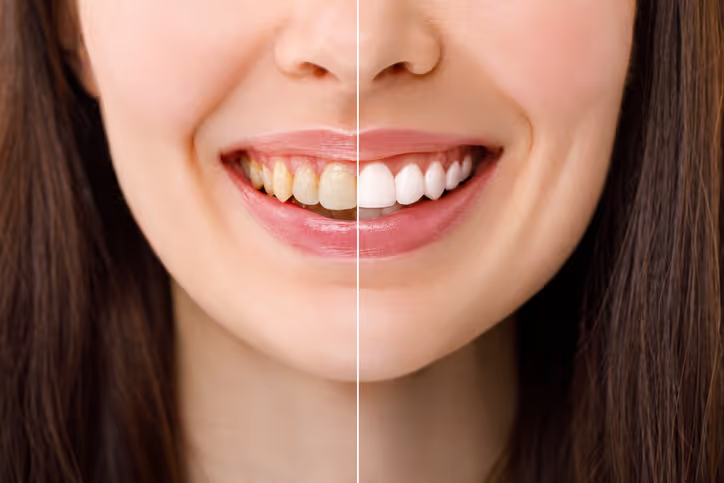

Smile Wall

Meet Our Staff
Testimonials
Gallery
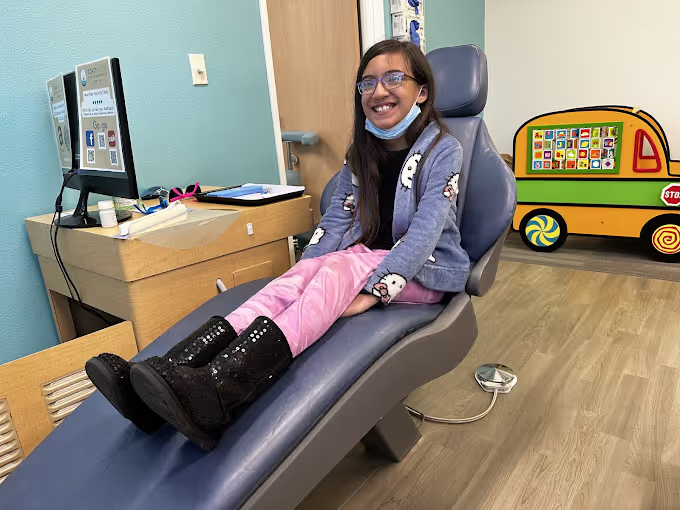
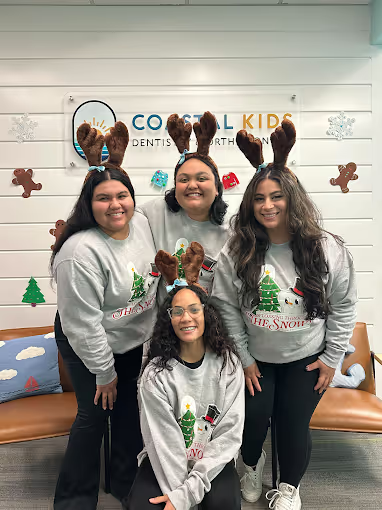
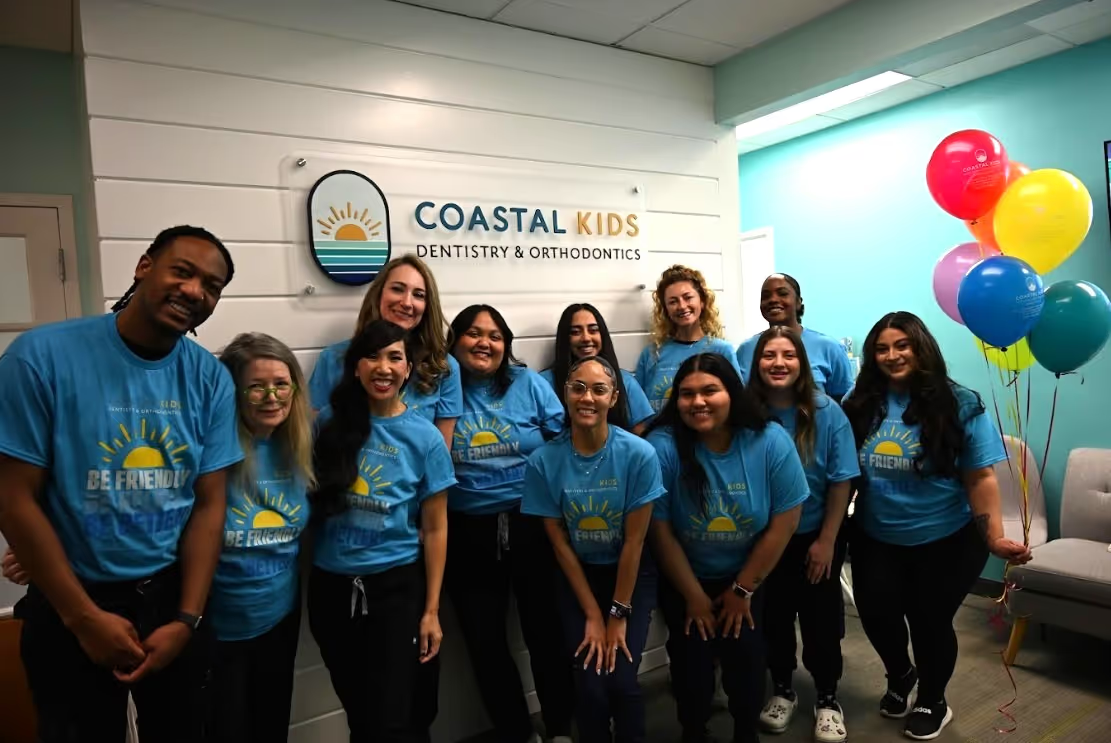
Our Team
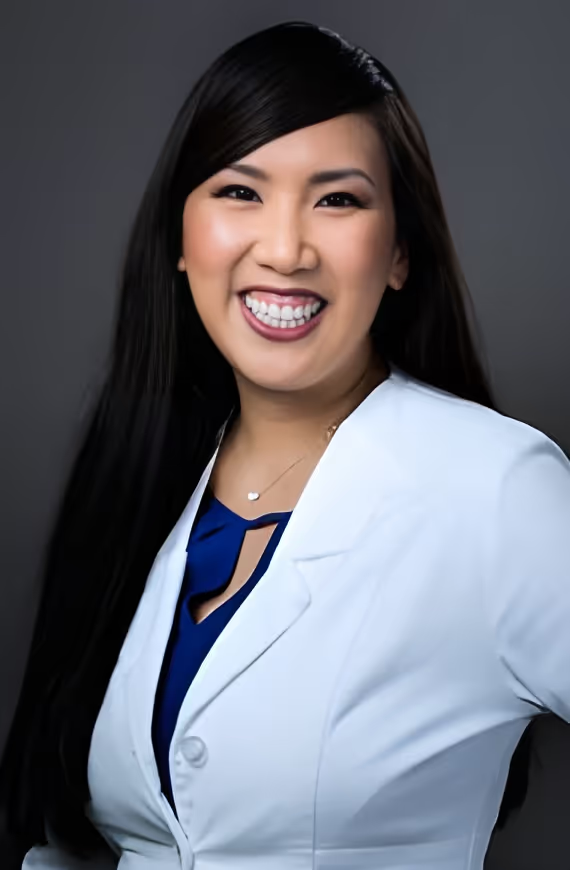
She graduated magna cum laude and received a BS degree in Biology at UC Riverside. In 2006, Dr. Kim received her Doctorate of Dental Surgery at UCLA School of Dentistry. Following dental school, she went on to complete her pediatric dental residency at Cincinnati Children’s Hospital where she served as chief resident of the department during her final year. She is a Diplomate of the American Board of Pediatric Dentistry, and is currently a member of the California Society of Pediatric Dentistry, American Academy of Pediatric Dentistry, American Dental Association, and American Board of Pediatric Dentistry.
Dr. Kim is dedicated to building long lasting relationships with her patients and creating a lifetime of healthy smiles. She has enjoyed mission trips to Nicaragua and the Philippines. In her free time, she and her husband, Brian, love traveling, spending time with family and friends, and playing with their dog, Mochi.
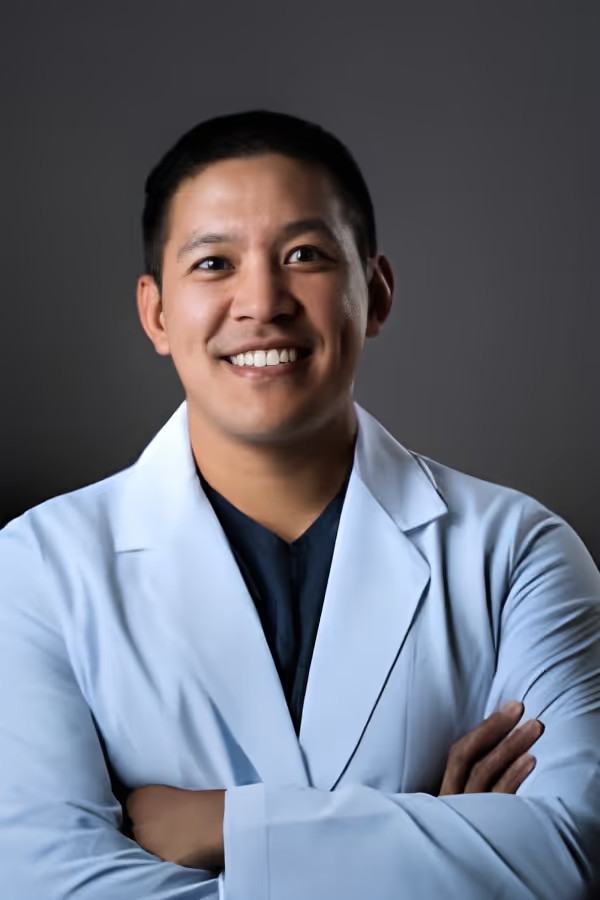
While teaching at the dental university, he practiced in a pediatric dental office where he discovered his passion for children’s dental health. He completed his Pediatric Dental Residency training at St. Barnabas Hospital, a Level I trauma center in New York City. Dr. Macaoay has been featured in publications of the American Dental Association, the California Dental Association and local newspapers. He is a volunteer for UCSD’s Predental Society Student Run Dental Clinic and has participated in international humanitarian dental missions in Fiji, Jamaica, and Jerusalem.
When Dr. Macaoay is not helping children achieve healthy smiles, you can find him reading, traveling, hiking, training for triathlons, and spending quality time with his family.
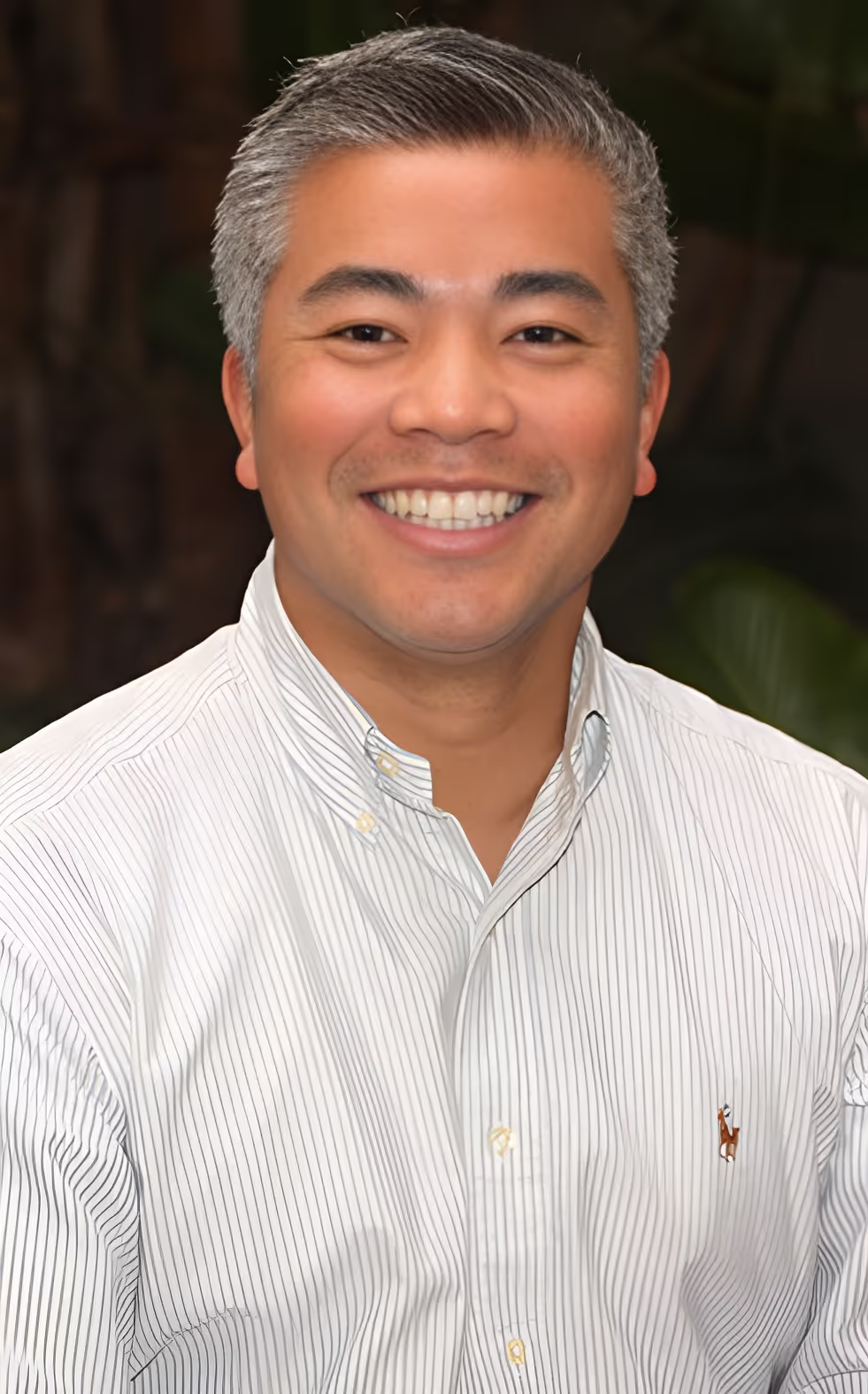
His calm and patient manner with children allows the team and parents to have an enjoyable and thorough visit, ensuring a lifetime of beautiful, healthy smiles.
Dr. Chris is actively involved in the dental community. He serves as a chairman for the San Diego County Dental Society. He also serves on the Ethics Committee for the Dental Society. He continues in academia as adjunct faculty at UCSD Medical School – Department of Preventative and Family Medicine. He is also affiliated with, and an advisor to, Point Loma Nazarene University, San Diego State University, and UCLA. He is also a published author for his research in children’s dentistry.
Dr. Chris has enjoyed dental mission work in Vietnam, Guatemala, Mexico, and other under-served areas.
Dr. Chris enjoys the outdoors and is an avid skier. He spends his free time with his wife, Katherine, and their two dogs, Lilly and Winston. They enjoy the beach and surfing.
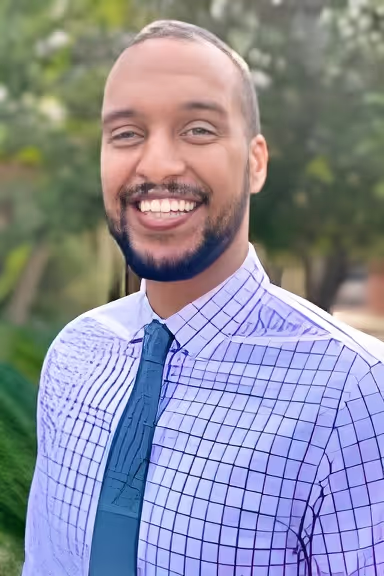
Putting children at ease and alleviating their fear of going to the dentist is one of Dr. Sam’s top priorities, as he recognizes the importance of establishing good oral healthcare habits early on in life. “Recently, I had a patient with severe dental anxiety come to me in pain. She had to get through multiple visits and at the end of her treatment, she told me, ‘You’re the best dentist ever because I never feel anything.’ That’s what makes it all worth it,” said Dr. Sam.
Collaboration with colleagues is also an important part of Dr. Sam’s treatment philosophy. He is a member of the American Dental Association (ADA), the California Dental Association (CDA) and the San Diego Dental Society. Dr. Sam is also proud to have been inducted into the Omicron Kappa Upsilon National Dental Honor Society and to have provided care to an underserved community at the Southern Indian Health Center in Alpine.
Dr. Sam earned a BA in Biology from San Diego State University and went on to the UCSF School of Dentistry, where he received his DDS degree. From there, he returned to Southern California and completed his pediatric residency at the University of Southern California. “I was a resident at Children’s Hospital Los Angeles where I treated medically compromised and developmentally delayed children,” explained Dr. Sam, who takes great pride in his experience treating children with special needs.
A native San Diegan, Dr. Sam was born and raised in Southeast San Diego. His parents came to the U.S. as refugees, and he is the first of his family to graduate from college. He has an older sister and a younger brother, and is very close to his two nieces. In fact, much of his free time is spent babysitting! A self-described nerd, Dr. Sam loves going to coffee shops to read science fiction and fantasy novels, as well as comics. He also enjoys basketball, volleyball, and hiking.
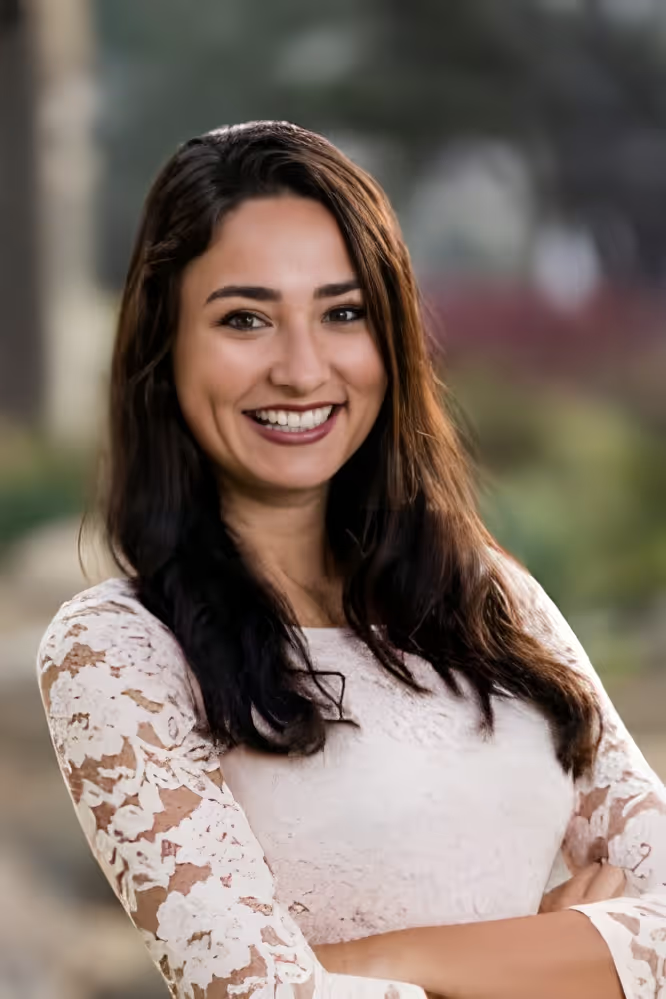
Dr. Olga grew up in New York, and then headed west for the beautiful weather and outdoor activities year-round. She is fluent in English and Russian, and conversant in Spanish. Her favorite activities are going paddle boarding with her labradoodle, Micah, and riding beach cruisers around Mission Bay.
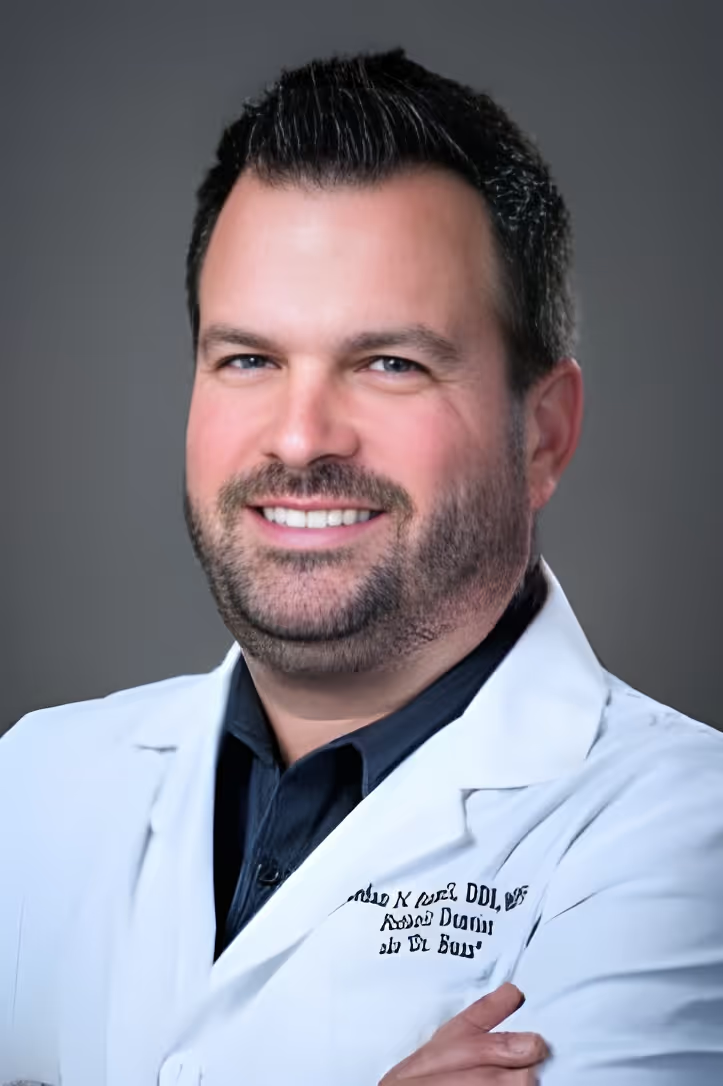
After earning an undergraduate degree from Azusa Pacific University and a dental degree at Loma Linda University, Dr. Buzz completed his residency at New York University. He also holds a master’s degree in public health and is the fourth generation in his family to pursue education in this field. He is also a proud Veteran. Dr. Buzz served on active duty in the United States Navy for six years and is currently a member of the Active Reserves. He has received numerous accolades from the military, including the Navy and Marine Corps Commendation Medal and the Military Outstanding Volunteer Service Medal.
Dr. Buzz belongs to many professional organizations including the American Academy of Pediatric Dentistry (AAPD), San Diego County Dental Society (SDCDS), the American Dental Association (ADA) and the California Dental Association (CDA). He is especially proud to be a member of the California Society of Pediatric Dentistry (CSPD), a nationally recognized leader in organized pediatric dentistry.
Serving the less fortunate is close to Dr. Buzz’s heart, and he has helped countless children locally and internationally. He is a co-founder and co-creator of the Cura Smiles free dental clinic in the City Heights area of San Diego. He is also dedicated to inspiring young people to make a difference in the world and is a professional mentor for students at Point Loma Nazarene University (PLNU), as well as an adjunct faculty member on the campus. According to Dr. Buzz, working with children and college students and serving those in need gives him a unique perspective on life. It is his goal to always look at the world through the eyes of a child.
A self-described “beach bum”, Dr. Buzz can often be found at the beach with his family. Dr. Buzz loves sports, electronic dance music (which includes Friday night dance parties with his kids), and is always in pursuit of the perfect breakfast burrito. Dr. Buzz resides here in San Diego with his wife and three young children. The “Buzz” family welcomed their third child to the world in late 2021 so Dr. Buzz has now mastered life with three kids (barely) and looks forward to the day when he and Mrs. Buzz are no longer changing diapers.
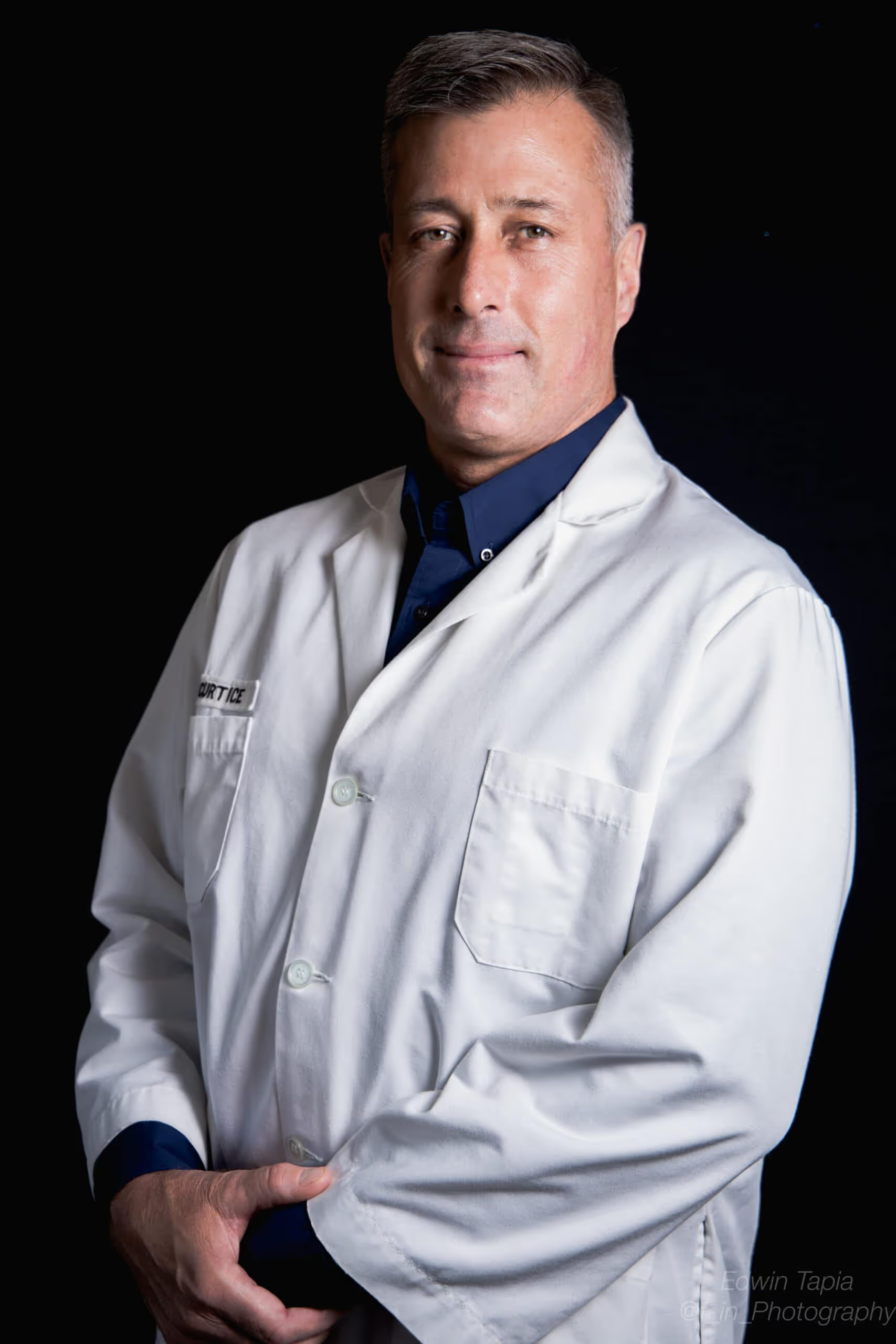
Having recently retired from active duty service in June 2022, Dr. Curtice now exclusively works at our office providing the outstanding level of care that he also gave towards our service members. Dr. Curtice joined our practice in 2018, working on his days off even though he was still serving our country. Dr. Curtice and Dr. Buzz have known each other for almost 15 years, having first met while stationed overseas in Yokosuka, Japan. They have developed an incredibly unique team approach to orthodontics and pediatric dentistry, a very successful practice model that is a compliment to their attention to detail and commitment to the highest standards of care.
Dr. Curtice and his wife reside here in San Diego with their two husky fur-babies. They have two adult children who are currently both pursuing their undergraduate and professional degrees. Dr. Curtice is your quintessential San Diegan, raised here growing up surfing, skateboarding, and growing his hair super long. When he’s not creating perfect smiles, he’s likely enjoying a San Diego IPA while cheering on his beloved Padres (we won’t talk about the Chargers). He also loves country music and you can find him at most country music festivals with his cowboy hat, cut-off jean shorts, and boots. In fact, if you hear country music playing in our office it’s likely because Dr. Curtice is seeing patients that day.
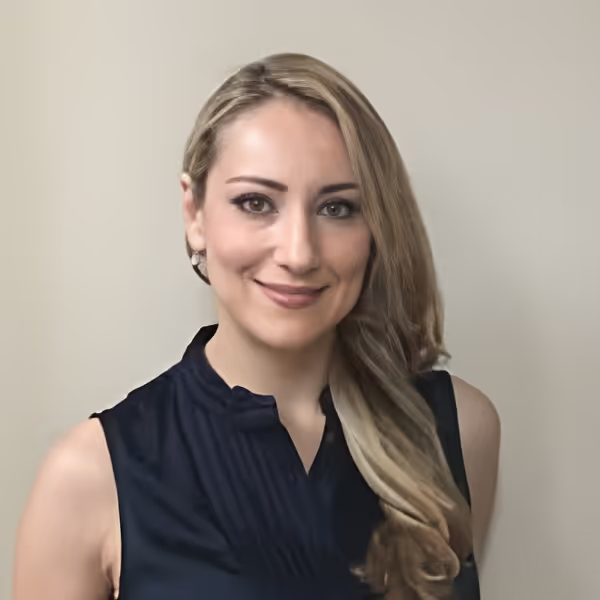
Giving back to the community is another way in which Dr. Anna uses her dentistry and people skills to make a difference. She volunteered at the Children’s Hospital in Pittsburgh and participated in the “Give Kids a Smile” program. Dr. Anna has also worked with a mobile dental service to provide free dental care to veterans and others in need.
Dr. Anna was born in St. Petersburg, Russia, and came to the United States when she was twelve years old. She grew up in Maryland and Northern Virginia and moved to Pittsburgh, Pennsylvania for college. Upon earning her B.S. in biology from the University of Pittsburgh, as well as her dental degree from the University of Pittsburgh School of Dental Medicine, she moved to Youngstown, Ohio, where she completed her General Practice Residency at St. Elizabeth Hospital. Dr. Anna also completed a one-year implant fellowship at University of Pittsburgh.
Now that she is settled in sunny San Diego, Dr. Anna is able to take advantage of her love for outdoor activities year-round. She enjoys spending time with her husband and her two young children. “I was lucky to marry my best friend, with whom I share a son and a daughter. I especially enjoy baking with my little ones,” said Dr. Anna. She also enjoys traveling and is fluent in English and Russian, and is in the process of learning Farsi and other languages.
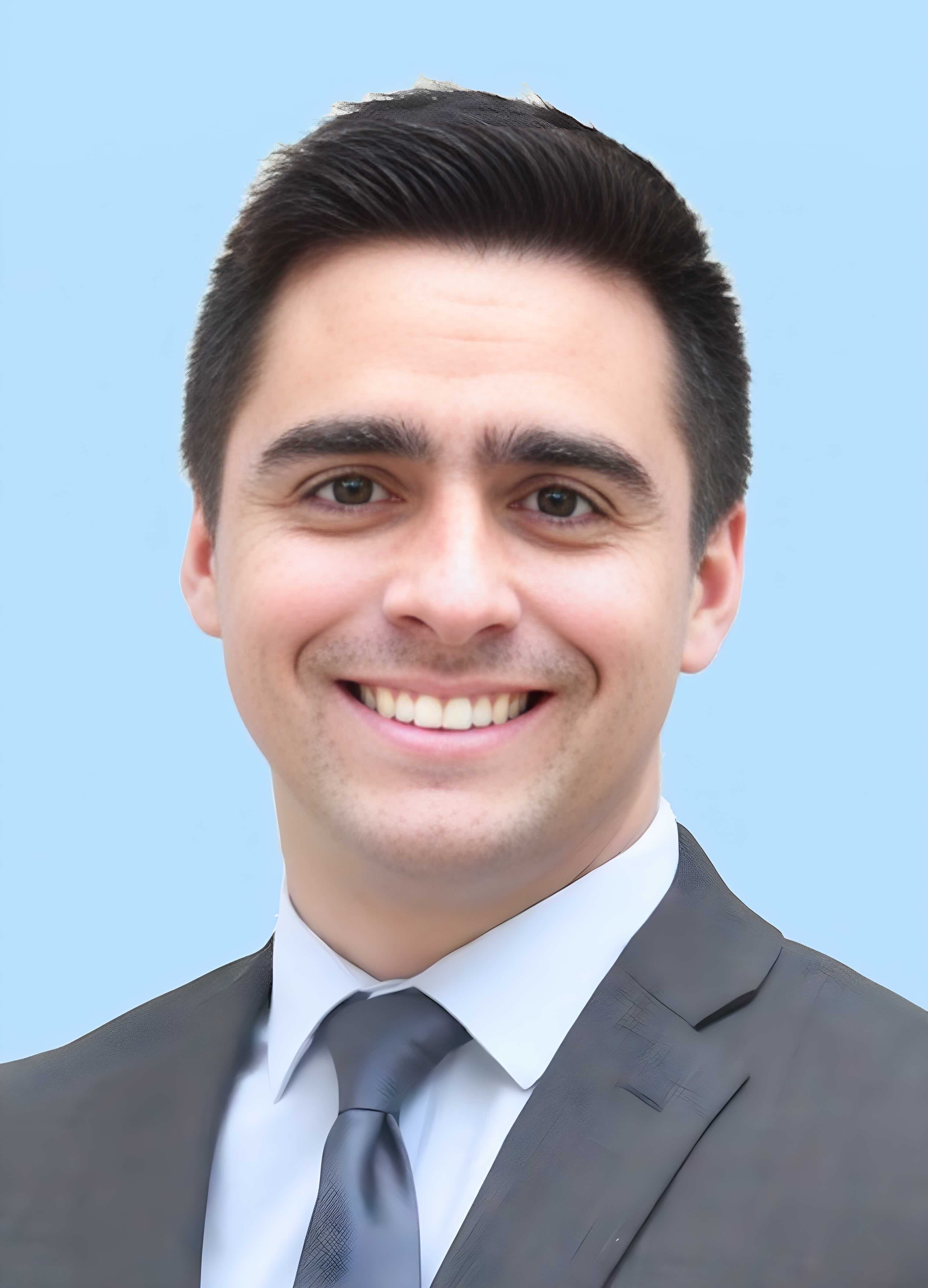
Dr. O’Donnell spent time training at Children’s Hospital Los Angeles, Children’s Hospital of Orange County, and the Los Angeles County Medical Center. He regularly attends continuing education courses and meetings through the American Academy of Pediatric Dentistry, the California Society of Pediatric Dentistry, and the California Dental Association. He has also been taking courses with the American Laser Study Club and learning more about airway dentistry, and the impact of oral health on the way children breathe. He is proudly recognized as an American Board of Pediatric Dentistry Diplomate, California Society of Pediatric Dentistry Member, American Academy of Pediatric Dentistry Member, San Diego County Dental Society member, California Dental Association member, and American Dental Association member.
Dr. O’Donnell has a rich career history that includes volunteer work throughout central and southern California and Baja California, Mexico. Since joining our practice in 2023, Dr. O’Donnell has enjoyed being able to care for children and provide quality treatment. He takes great pride in being able to help children who are suffering from dental anxiety. Caring for those with special health care needs is also one of his passions. He particularly enjoys how dental and oral health is integrated with the rest of our body and health and is interested in our oral health’s impact on our upper airway and the way we breathe. This can have a profound impact on our lives, especially those of children.
Overall, nothing brings more joy to Dr. O’Donnell than helping a child, who has had difficult experiences at another office, overcome their anxiety and find comfort in their new dental home. He loves seeing their smiling faces, especially as they grow! Dr. O’Donnell enjoys hearing about the newest things in their lives and the exciting activities they are trying, from their first t-ball game to their first girl scout cookie sale! Additionally, he enjoys being a part of a wonderful team here at the San Diego office, who all share a passion for providing a positive experience for the patients and their families.
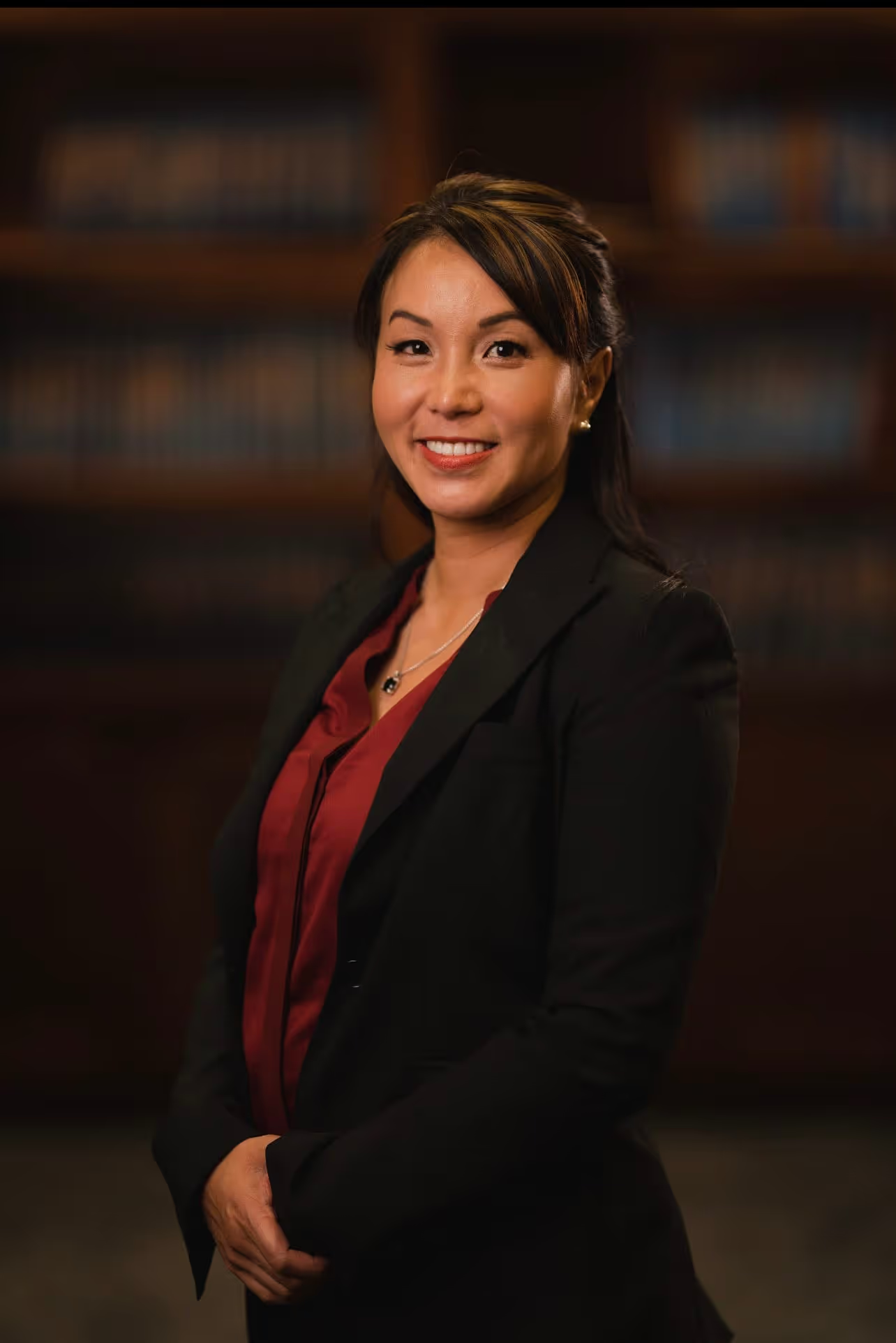
Dr. Evelyne finished her specialty training at Rady Children’s Hospital, where she became a guest lecturer for several groups. She continued her humanitarian dental work in Vietnam and Mexico and served on the Oral Health Initiative Board for the San Diego Health and Human Services. She is a volunteer professor at the specialty Pediatric Dental Program at Rady Children’s Hospital and is active in many San Diego County Dental Society committees.
Dr. Evelyne’s mission is to make each child smile and ensure a positive experience at the dental office. She believes every child should flourish and thrive in a loving, caring dental home and look forward to their dental visits.
Her passion is her family with her two young girls, volunteering, and serving as a military spouse to her husband, a Captain in the US Navy with over twenty years of service. When the family is not visiting him on port visits during deployments, she is raising her rescue animals and finishing her master’s in business administration at the University of San Diego. You can find her on off days hiking with her dogs, enjoying yoga, or attempting cooking.
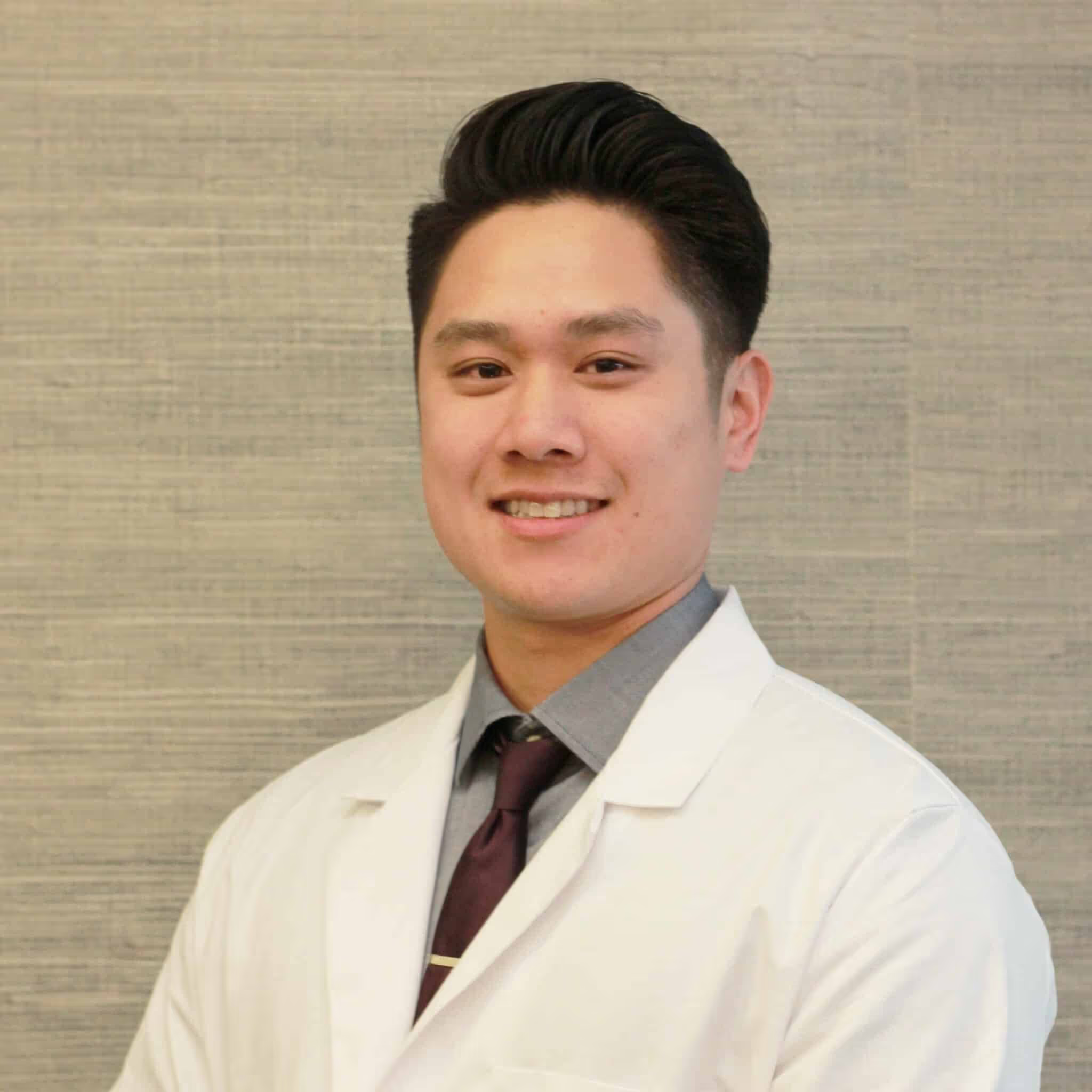
He earned a BA from University of California Berkeley in film studies and decided post graduation to pivot to studying dentistry. After graduating dental school at University of Nevada Las Vegas in 2018, pediatric dentistry seemed like a natural path to apply his skill sets. He earned his pediatric specialty certification at NYU affiliate Woodhull Hospital in Brooklyn, New York. He aims to provide quality, friendly care to improve the lives in his community.
Dr. Wong recently moved to San Diego with dreams of starting his own family with his wife, Debbie. They are expecting a daughter this spring! In his free time, he enjoys diving, fishing, cooking, and backpacking.
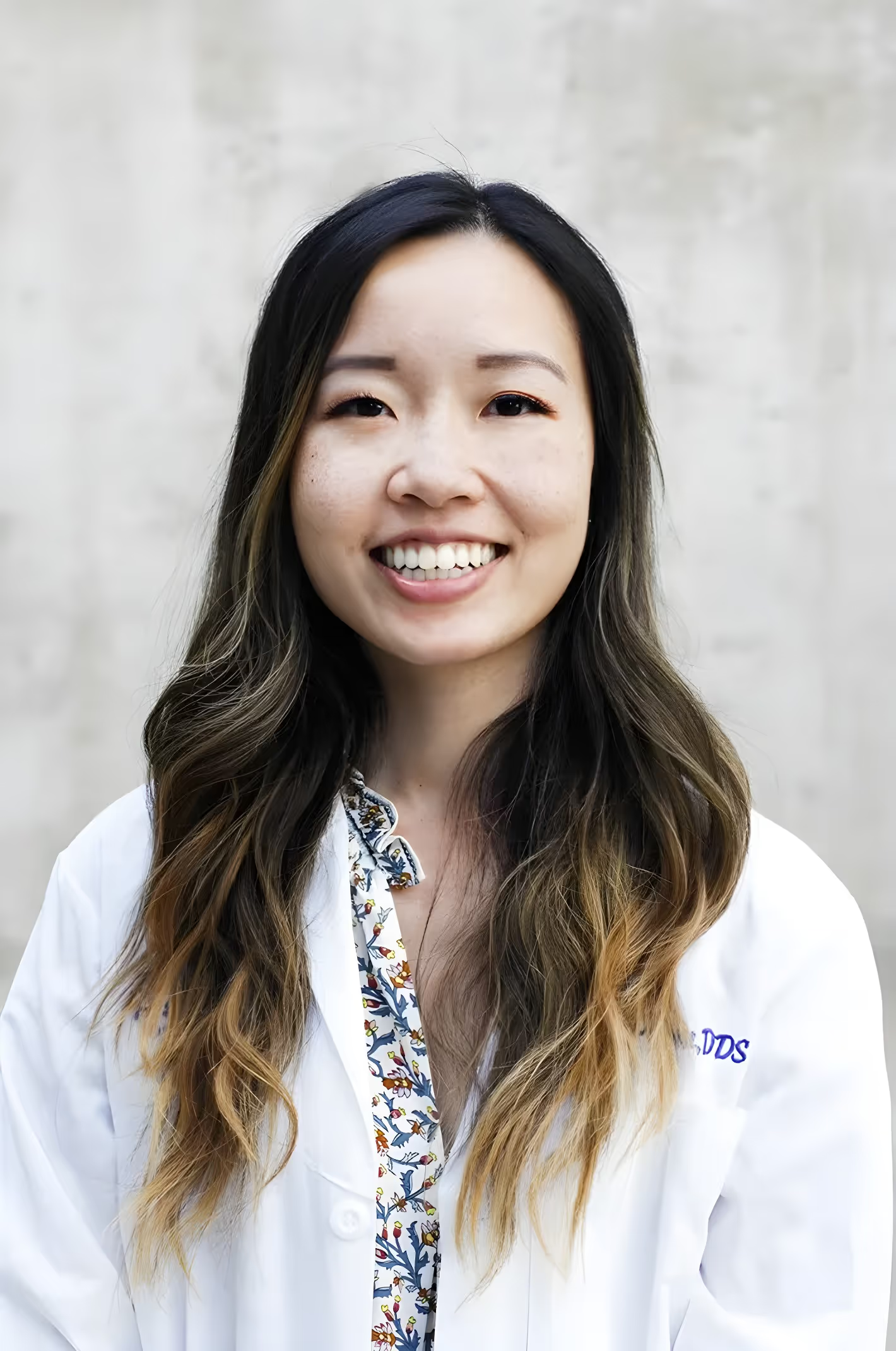
Her journey in dentistry is deeply rooted in her public health background, where she discovered that tooth decay is the most common childhood disease in the United States – and entirely preventable. This revelation sparked her dedication to pediatric dental care, where she could make a lasting impact on children's oral health through early intervention and education.
Dr. Shih's approach to patient care is built on creating positive, comfortable experiences for children while empowering them to take ownership of their dental health. She believes in explaining dental concepts in age-appropriate ways, making each visit both educational and enjoyable. Her patience and compassion have helped countless young patients overcome their dental anxiety, transforming fearful first visits into confident, routine care.
One of her most rewarding experiences involved helping a particularly anxious 10-year-old patient develop confidence and comfort in the dental chair. Through building trust and maintaining a gentle approach, she witnessed his transformation from a fearful patient to one who now jokes during his appointments – a testament to her philosophy that trust and compassion are essential elements of pediatric dental care.
Having lived in Taiwan, Thailand, and various parts of the United States during her childhood, Dr. Shih brings a multicultural sensitivity to her practice that helps her connect with families from diverse backgrounds. This unique upbringing, which included attending eight different schools from pre-K to high school, has shaped her adaptable and understanding approach to patient care.
When she's not creating healthy smiles, Dr. Shih can be found enjoying the outdoors – golfing in the summer months and snowboarding during the winter. She values quality time with family and friends and enjoys exploring San Diego's local brewery scene, particularly Pure Project Breweries, with her husband and their dog.
Dr. Shih is committed to providing comprehensive dental care that goes beyond treating immediate concerns to foster lifelong healthy dental habits. She looks forward to partnering with families in their journey toward optimal oral health and creating positive dental experiences that last a lifetime.
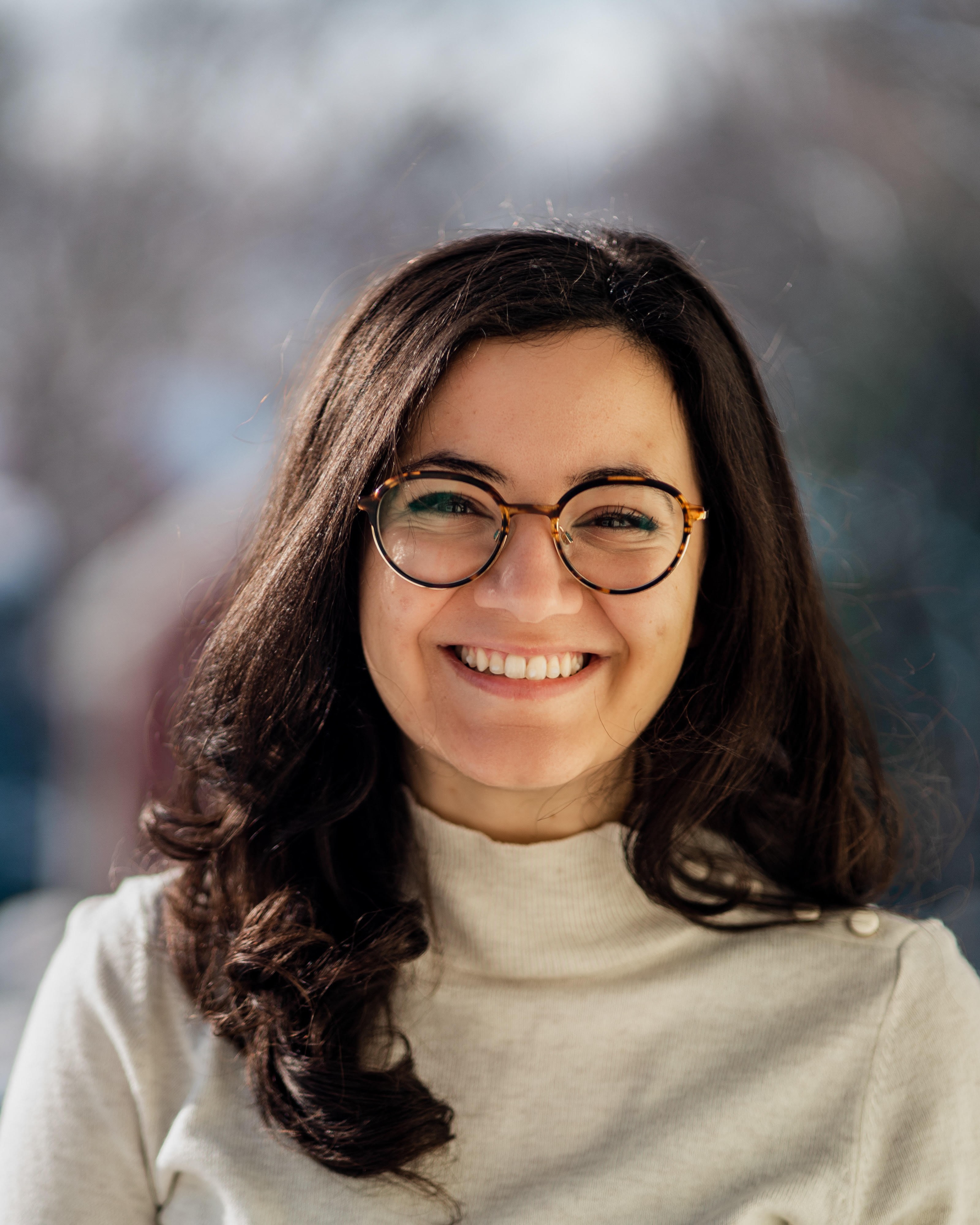
A graduate of the University at Buffalo School of Dental Medicine and a proud recipient of the Leo M. Davidoff Society “Award for Excellence in Teaching,” Dr. Zaki’s passion for education extends far beyond the classroom. She believes that even the youngest patients can understand their oral health when it’s explained with kindness, creativity, and a little silliness. Whether it’s tailoring instructions to a toddler’s favorite cartoon or answering a parent’s every question with care, Dr. Zaki strives to make every visit empowering—for the child, the parent, and even the stuffed animal in the chair.
Her love for pediatric dentistry comes from its beautiful unpredictability. “No two kids are the same,” she says. “You constantly have to think outside the box and plan thoughtfully. That’s what makes it so rewarding.” She once treated a medically complex, nonverbal child who had broken his front tooth. Through patience and compassion, she and her team helped him through his first filling—restoring not only his smile, but his mother’s hope. Moments like that remind her why she chose this field.
Lived in England for a few years and raised in a mix of places like Pennsylvania, New York, and Wisconsin, Dr. Zaki now feels most at home in this tight-knit community where she can build meaningful relationships with families over the years. To her, a dental office should feel like a safe and familiar place—where kids feel known, celebrated, and genuinely excited to return.
Outside the clinic, Dr. Zaki is a devoted foodie, an amateur artist, and a big fan of staying active—whether it's hiking with friends or cycling around town. She loves relaxing by the beach (especially if there’s ice cream nearby!) and never says no to a string cheese snack, a childhood favorite she’s still perfecting into miniature sculptures.
Family plays a central role in Dr. Zaki’s story. Inspired by her mother, who gave up her own dental career to raise her and her sister, Dr. Zaki brings that same spirit of sacrifice and support into her practice every day. Her husband Anthony, a loyal San Diego Padres fan, keeps her grounded (and entertained), and she cherishes weekly virtual hangouts with cousins across Canada, Egypt, and beyond.
In her spare time, you might also find her volunteering at her local parish with college students, where she pretends to stay up to date with what’s trending.
Dr. Zaki’s superpower of choice? X-ray vision—though she’s already mastered the art of seeing what kids really need: patience, laughter, and someone who truly listens.
If you’re lucky, you might even catch her impersonating an elephant in the name of making dentistry a little more magical.
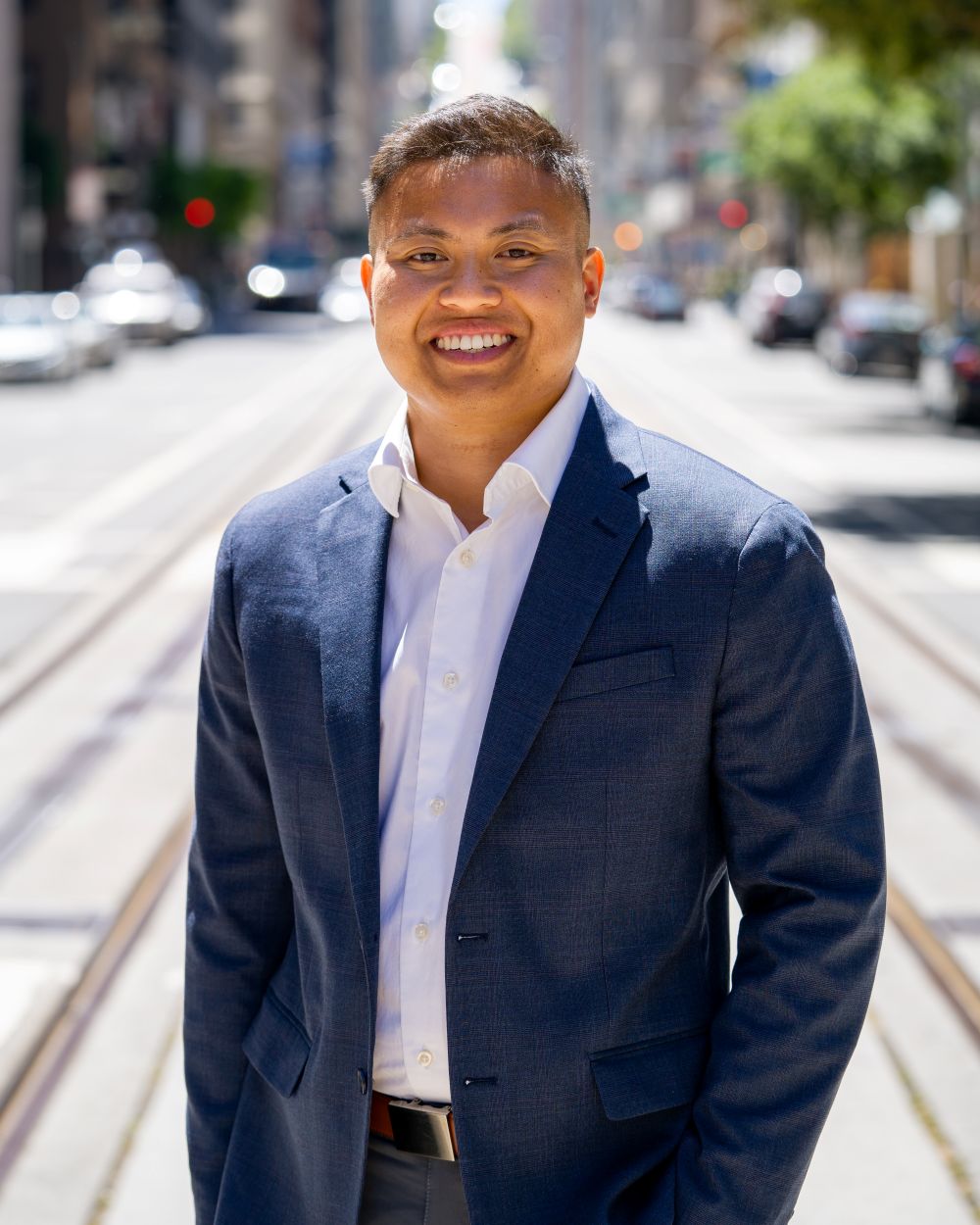
Dr. Le earned his dental degree from the prestigious University of the Pacific Arthur A. Dugoni School of Dentistry. With a strong foundation in dental science and a genuine love for working with children, he is committed to making every visit a positive and comfortable experience. Dr. Le believes that a trip to the orthodontist should be fun and anxiety-free, and he strives to create an environment where kids feel heard, understood, and excited about their smile journey.
As a self-proclaimed “kid at heart,” Dr. Le connects easily with young patients—whether it’s chatting about the latest video games, sports, or superhero movies. He believes in empowering children by explaining each step of their treatment, setting clear expectations, and answering all their questions. By making the process transparent and approachable, Dr. Le helps reduce anxiety and builds trust with his patients and their families.
One of Dr. Le’s most memorable experiences was helping a young patient who was initially anxious and self-conscious about her crowded teeth. Through reassurance and personalized care, Dr. Le guided her through treatment without extractions, and after 15 months, she left with a radiant smile—and a newfound dream of becoming an orthodontist herself.
Outside the clinic, Dr. Le enjoys golfing (including a memorable round with Samuel L. Jackson!), traveling, and exploring new activities. You might find him relaxing at La Jolla Beach or trying out local eateries. He’s always eager to connect with the community and is open to participating in local events and charities.
Dr. Le’s love for dentistry runs in the family—his parents are physicians, his brother is training as a medical doctor, and more than a dozen relatives are in the dental field, including his fiancée, who is an endodontist. This strong family tradition in healthcare inspires him daily to provide compassionate, high-quality care.
Fun Facts About Dr. Le:
- Favorite children’s book: Harry Potter series
- Favorite childhood snack: Spam Musubi
- Favorite activity with family and friends: Golf
- Favorite way to make kids laugh: Finding out their favorite YouTuber and sharing a laugh
- Dream superpower: X-ray vision (to make dental exams even easier!)
Dr. Le is proud to serve such a diverse and welcoming community, and he looks forward to meeting new families and helping every child discover the power of a confident smile.
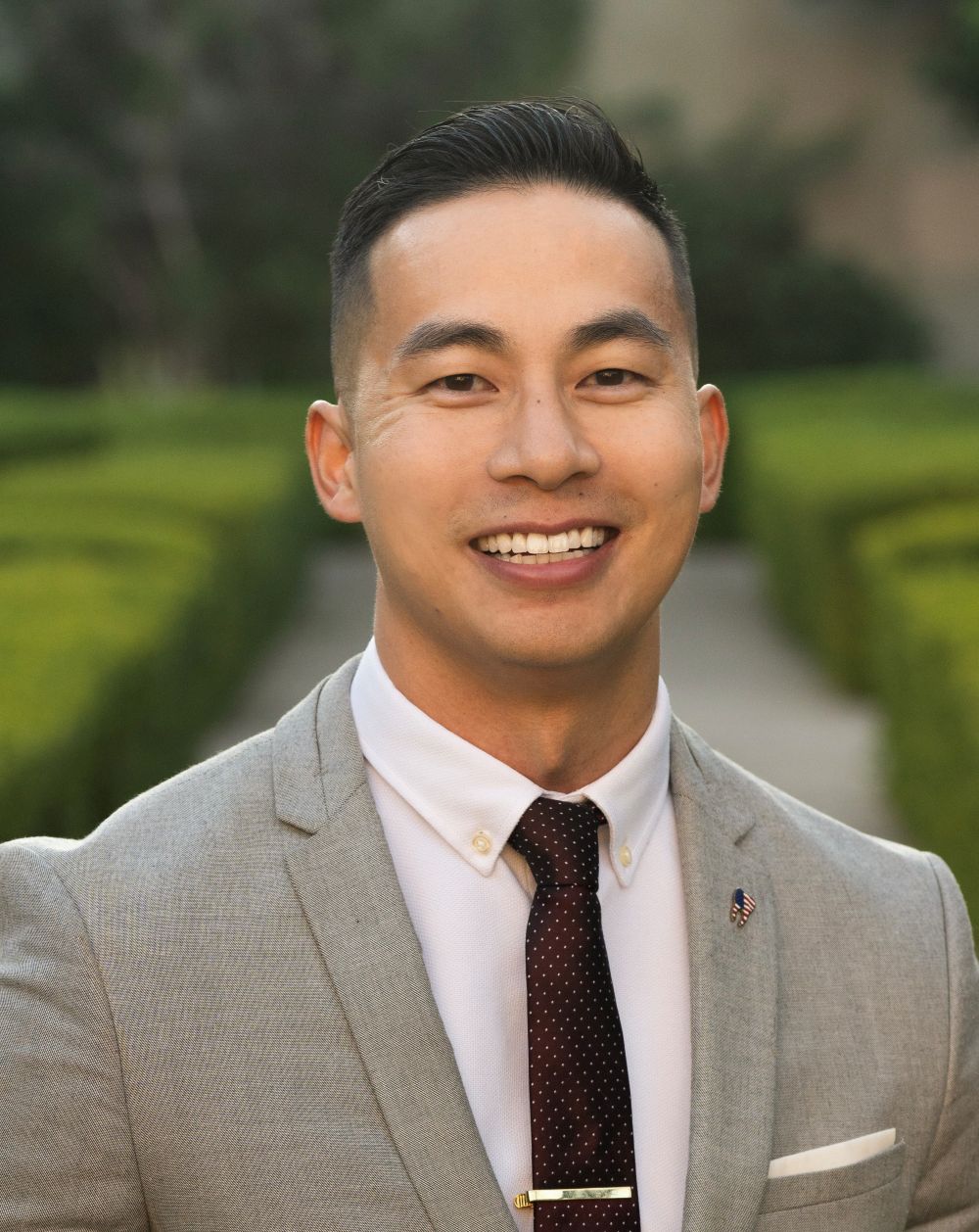
Education & Professional Achievements
Dr. Aclan earned his Doctor of Dental Medicine degree from Western University of Health Sciences (WesternU), where he distinguished himself both academically and as a leader among his peers. His dedication to pediatric dentistry is reflected in his numerous honors, including:
- CSPD Warren Brandli Leadership Intern (2024-2025)
- American Student Dental Association Award of Excellence (2020)
- WesternU College of Dental Medicine Class of 2021 Award (2020)
- East West Scholarship for Clinical Excellence (2019)
Dr. Aclan is also actively involved with the California Society of Pediatric Dentistry, serving on the board for the Foundation that supports dental education for faculty and residents.
Why Pediatric Dentistry?
For Dr. Aclan, pediatric dentistry is more than a profession—it’s a calling. His mission is to be a positive role model and play an active role in the wellbeing of young people. From mentoring high school students from underrepresented communities to leading after-school dance programs and organizing Special Olympics dental events, Dr. Aclan has always found ways to empower and uplift children and youth. His journey in dentistry began as a pediatric dental assistant, and his experiences have fueled his passion for providing education, prevention, and compassionate care to every child he meets.
Philosophy of Care
Dr. Aclan’s approach is simple: treat every patient as if they were his own family. He believes in patient- and family-centered care, leading with empathy and understanding. He strives to meet each child where they are, helping even the most anxious patients feel comfortable and safe. For Dr. Aclan, the greatest reward is seeing a child’s fear of the dentist transform into confidence and trust.
A Memorable Experience
One of Dr. Aclan’s most impactful experiences was caring for a young boy from Mexico who needed all 20 teeth extracted due to severe decay. Despite the challenges, Dr. Aclan’s compassion and encouragement helped the child through the process. The gratitude and hug he received from the boy and his family reinforced his purpose and commitment to making a difference in children’s lives.
Fun Facts & Personal Touches
- Surprising Talent: Dr. Aclan danced competitively on a hip hop team during college.
- Favorite Children’s Book: Curious George
- Favorite Snack: Nerd’s Rope
- Favorite Local Spots: Walking around La Jolla or Balboa Park
- Favorite Way to Make Kids Laugh: Talking to them as a friend and meeting them at their comfort level
- Dream Superpower: Hypnosis—to help kids feel calm and at ease during dental visits
Outside the Office
When he’s not caring for patients, Dr. Aclan enjoys working out, golfing, hiking, picnicking, and sharing good meals with family and friends. He cherishes time spent with his wife, whom he married in Kauai, and his extended family, including his young niece and nephew.
Community Involvement
Dr. Aclan loves the diversity of the local community and is passionate about learning from other cultures. He is actively involved in professional organizations and local initiatives that improve dental education and access to care.
Family Inspiration
Dr. Aclan credits his family as his greatest support system, always believing in him and inspiring him to give back. Their encouragement has been instrumental in his journey to becoming a trusted pediatric dentist.
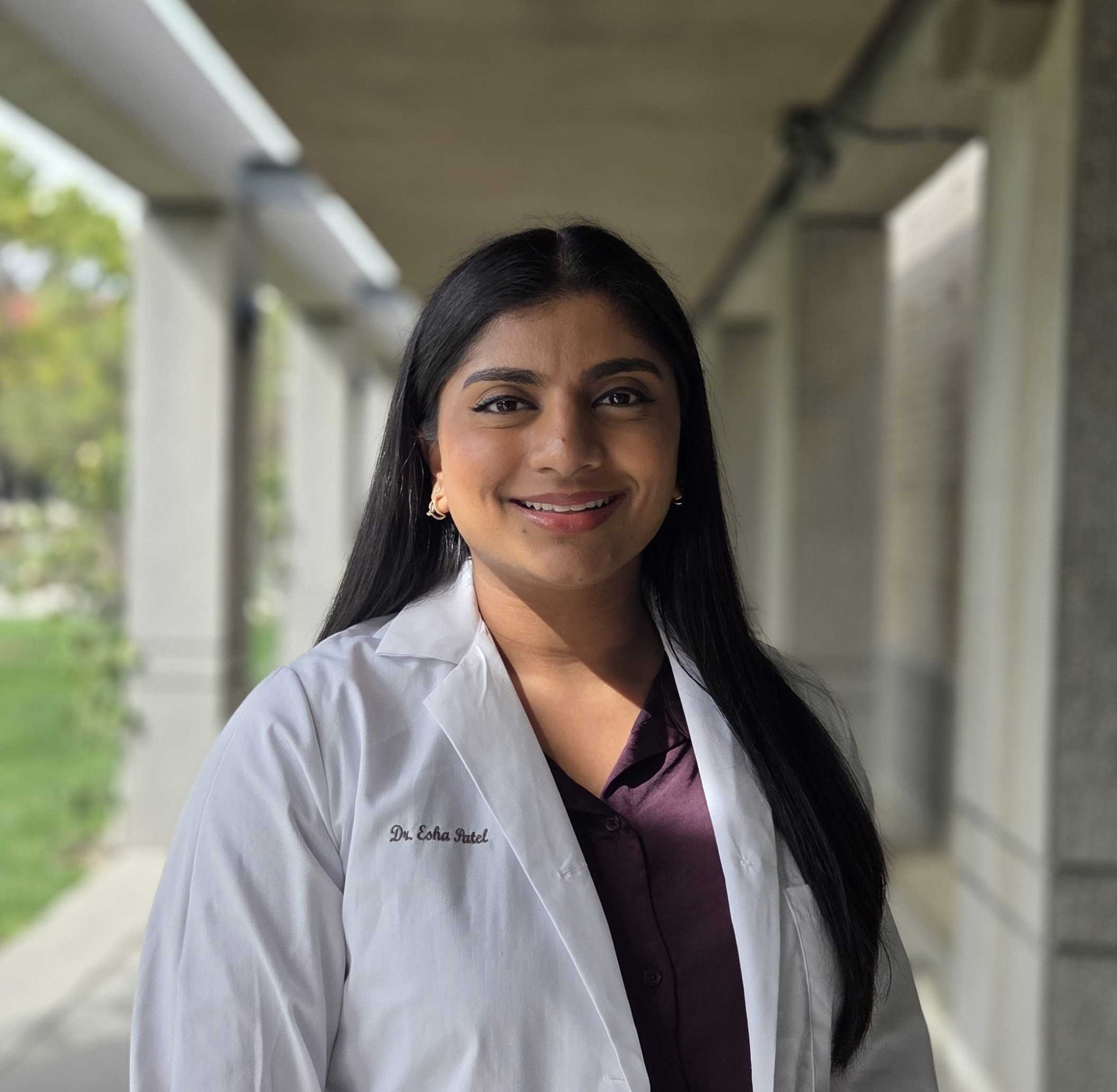
Her approach to orthodontics is built on trust — trust that accumulates over years of monthly appointments and translates into outcomes that change how patients carry themselves. She involves kids directly in their own care, speaks to them during appointments (not just around them), and walks them through milestones so they understand exactly how far they’ve come. Kids who feel in control of their treatment, she’s found, tend to take much better care of it.
She is an ABO certified orthodontist, an Invisalign Provider, a member of Omicron Kappa Upsilon, Phi Kappa Phi, and Tau Kappa Omega — the academic honor society trifecta — and a volunteer faculty member at UCSD’s Pre-Dental Society free clinic. Her most memorable case: a patient with sleep apnea, breathing issues, and an asymmetric bite who transformed completely through orthodontic expansion — finishing treatment early with full resolution of her bite and dramatically improved breathing.
When she’s not in the office, Dr. Patel lifts weights, kayaks in La Jolla Cove, oil paints (since age 12), and explores Temecula’s wine scene. Her favorite San Diego spot: the Cliffhanger Cafe at the Torrey Pines glider port. She also eats a Babybel with lunch every single day and has never had a cavity, which she considers her greatest personal credential.
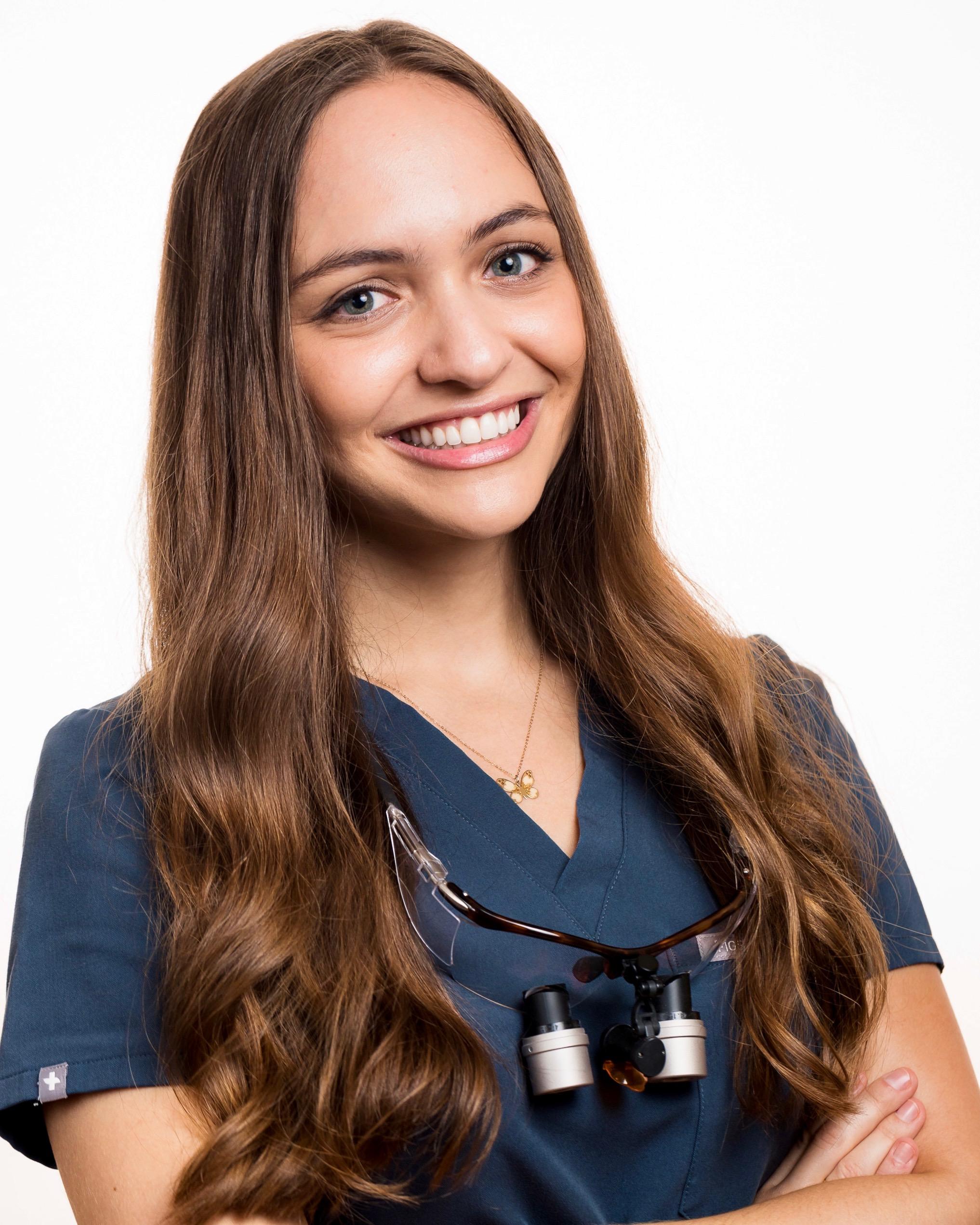
Dr. Coffler earned her Biology degree from UCLA before attending the USC School of Dentistry, where she graduated with the highest honors. While at USC, her compassionate nature led her to volunteer with the Mobile Dental Clinic, traveling across California to provide quality dental care for children in underserved communities. Her educational journey culminated in advanced training in pediatric dentistry at Yale University, where she honed her skills treating children of all ages, including those with complex medical conditions.
Outside the office, she stays active with pilates, enjoys the beach, and loves experimenting with new recipes. Dr. Coffler looks forward to welcoming your family and leveraging her elite training to help your kiddos maintain their healthy, happy smiles.
Better Together, Every Visit
At Coastal Kids, we practice together. Our doctors share ideas, consult on complex cases, and hold one another to the highest standard — because we believe the best care is never delivered alone. This is the foundation of our Comprehensive Patient Experience: every child we see benefits from the collective wisdom of our entire team. We've brought together exceptional clinicians from the nation's top programs and remain committed to ongoing education, so you can rest easy knowing your child receives the safest, most predictable care possible.
Academic Institutions Represented at Coastal Kids





We Accept Insurance & Sunbit↗









We handle your insurance so you don't have to.
Our dedicated insurance team works on your behalf — submitting claims, verifying coverage, and making sure your family gets every benefit you're entitled to.
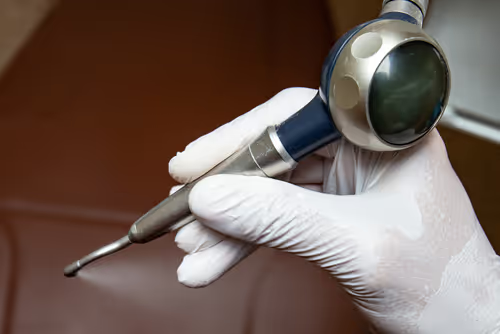
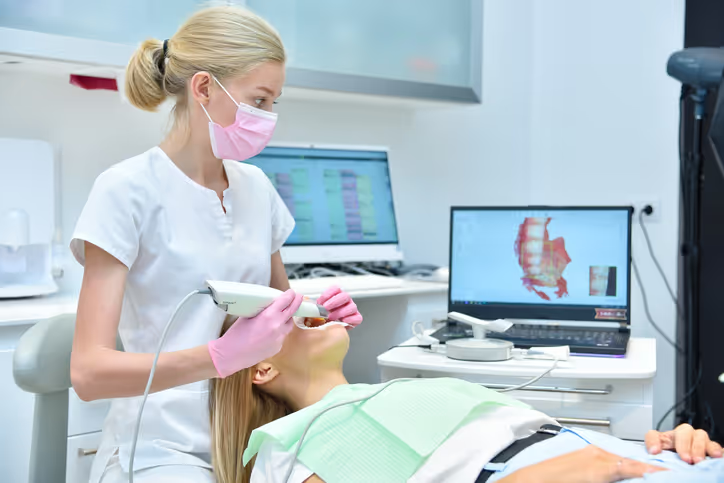
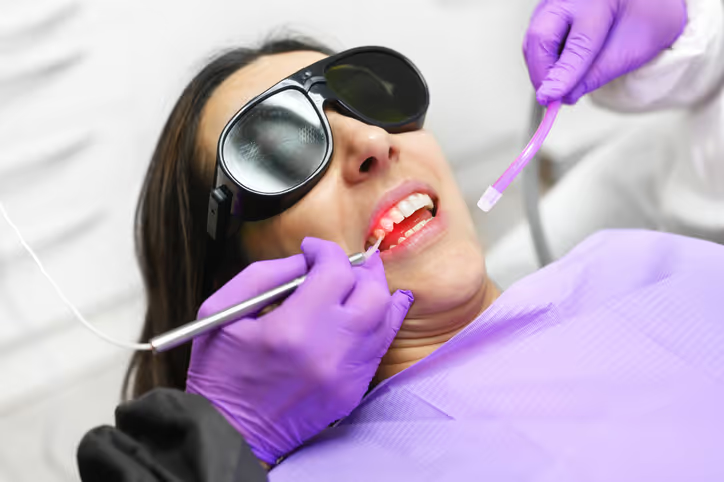
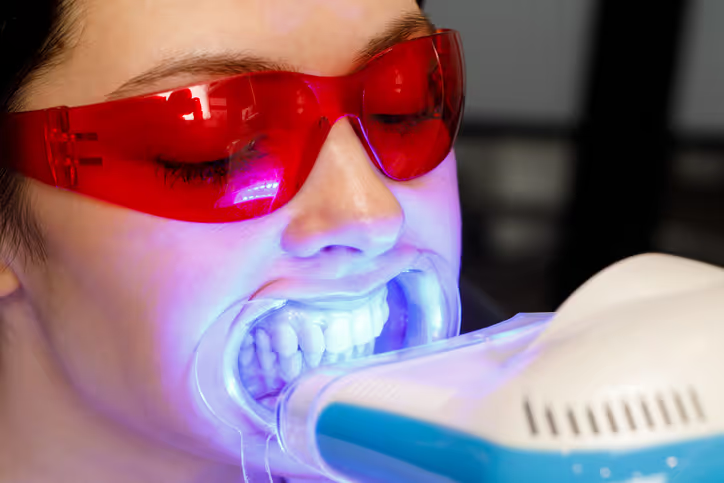
How we serve you better
New Patient Specials
Blog

Learn About Us
FAQ

The AAPD recommends a first dental visit by your child's first birthday — and at Coastal Kids, we follow that guidance and go further with it. Most practices treat this as a brief introductory visit, but we use it to build a complete picture of your child's oral health. Our pediatric dentists assess your baby's feeding habits, diet, fluoride exposure, cavity risk, and oral development, then create a personalized care plan specific to your child's needs — not a generic handout. We also walk you through home care techniques so you know exactly what to do between visits. Coming in early means we get to know your child before any problems start, which makes every future visit more comfortable and more effective.
Dental care begins before your baby's first tooth appears. After feedings, gently wipe your newborn's gums with a soft, damp cloth — this removes milk residue and bacteria and builds the daily habit that matters most in the first year. When the first tooth erupts (typically around 6 months), start brushing twice daily with a soft infant toothbrush and a rice-grain-sized smear of fluoride toothpaste. At Coastal Kids, your baby's first visit — which we recommend by age one — is much more than a tooth check. Our pediatric dentists conduct a full anticipatory guidance evaluation: we assess feeding patterns, diet, cavity risk, fluoride exposure, and developmental stage, then give you a customized care plan tailored to your child's individual needs. Early prevention is how we catch small issues before they become bigger ones, and it's how we start building the relationship with your child so every visit feels comfortable and familiar from day one.
Most children do well with checkups every 6 months, but at Coastal Kids we don't apply a fixed schedule to every patient. At each visit, our dentists reassess your child's individual risk profile — cavity history, diet, home care habits, developmental stage, and any emerging orthodontic concerns — and recommend the right interval for that child at that point in their growth. A child with active decay or higher cavity risk may need visits every 3–4 months; a child with excellent oral health and low risk can stay comfortably at 6. Our pediatric dentists and orthodontists also coordinate findings at these visits, so nothing falls through the cracks between disciplines. Every checkup at Coastal Kids is a comprehensive checkpoint — not just a cleaning.
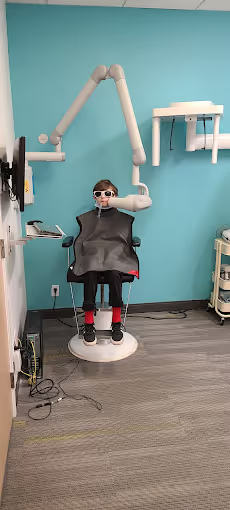
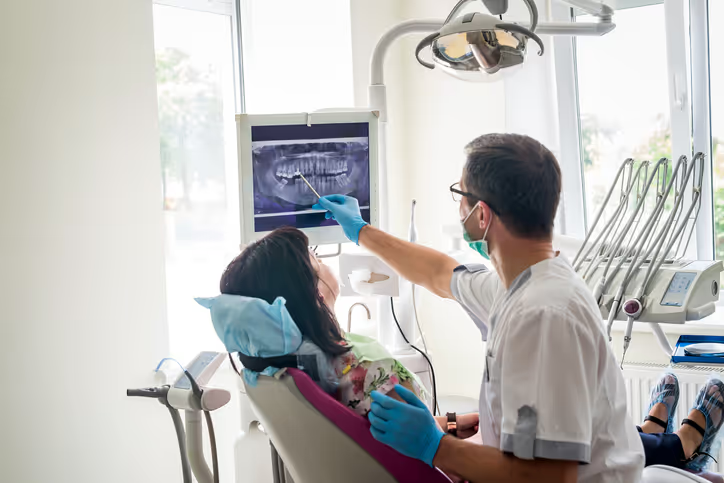
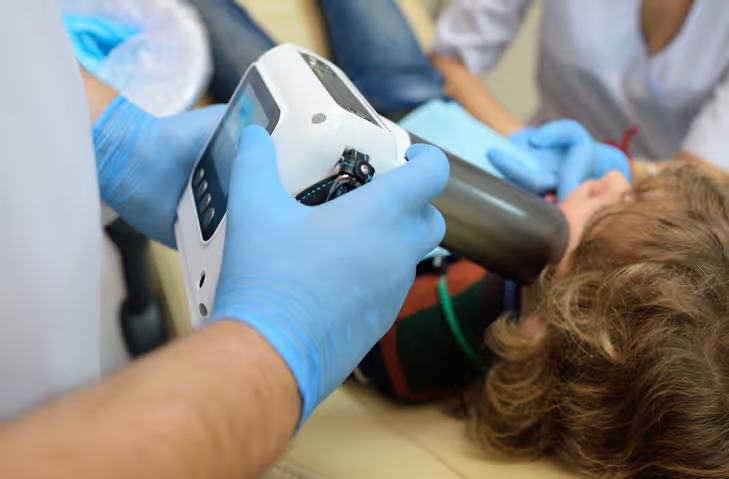
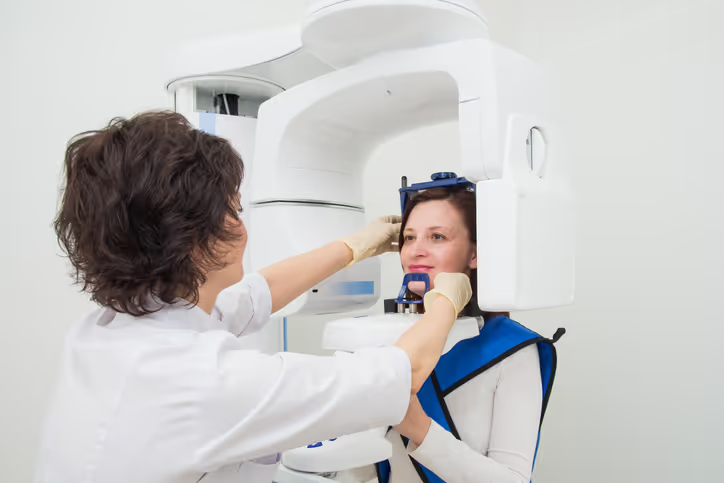
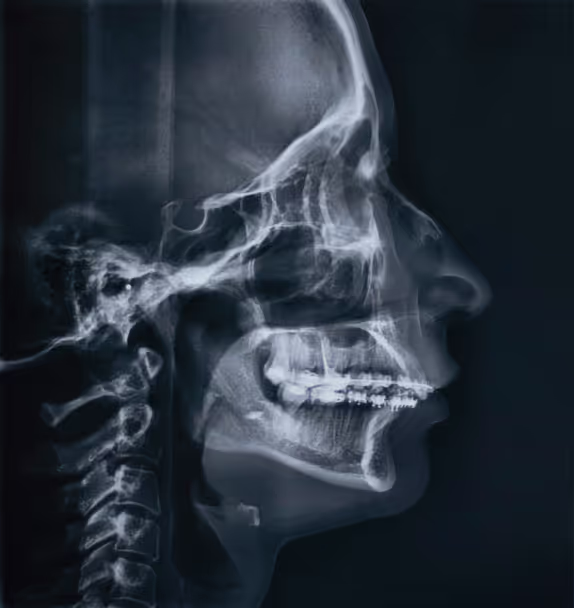
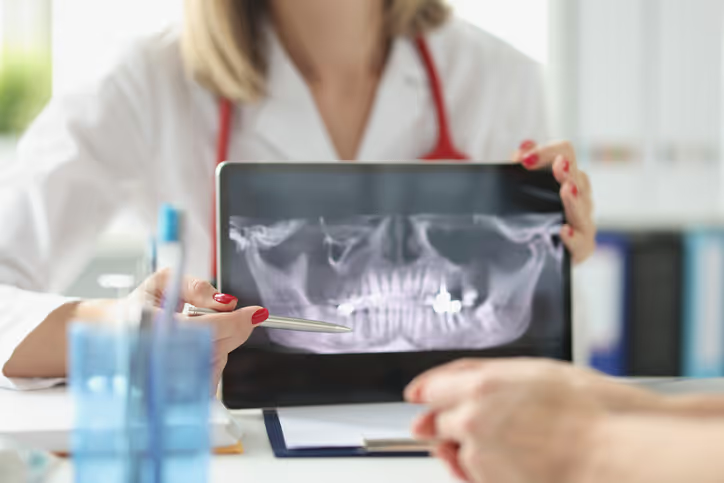
X-rays are one of the most important diagnostic tools in pediatric dentistry — and one of the most underappreciated. Here's the key thing: by the time a cavity, infection, or structural problem is visible to the naked eye, it has usually been developing for months or years. What you can see is already advanced, and treatment options narrow accordingly. X-rays let us find problems when they're still small — when a simple filling is still the answer instead of a root canal, or when a developing bite issue can still be guided rather than surgically corrected later. At Coastal Kids, X-rays are part of a complete diagnostic picture, not a routine checkbox. On the radiation question: a full set of four digital bitewing X-rays delivers roughly the same radiation you absorb from an hour of walking outdoors. Our digital sensors deliver up to 90% less radiation than traditional film, and we use lead aprons and thyroid shields as standard on every patient. We also don't take X-rays on a fixed schedule — our dentists evaluate each child individually and recommend imaging only when there's a clear clinical reason for it.
Prevention is the foundation of everything we do at Coastal Kids — and it's far more personalized than a standard brush-and-floss reminder. At every visit, our dentists perform a caries risk assessment: we evaluate diet, home care, fluoride exposure, cavity history, and family risk to build a specific risk profile for your child. From that profile, we create an individualized prevention plan that may include professional fluoride treatments, sealants on vulnerable molars, targeted dietary guidance, or more frequent monitoring for higher-risk patients. A high-risk child gets a different plan than a low-risk one — and both get a plan that actually fits their situation. Our pediatric dentists and orthodontists also work together, so if an alignment concern is making it harder to clean certain areas, both teams factor it in. The goal is a healthy mouth through every stage of your child's growth, not just clean teeth today.
Fluoride remains one of the most well-studied and effective tools in pediatric dentistry — it strengthens enamel, reduces cavity risk, and is safe when used in the right amounts for your child's age and size. At Coastal Kids, professional fluoride treatments are part of our standard prevention toolkit and are backed by decades of clinical evidence endorsed by the AAPD and AAP. That said, we recognize that families have different comfort levels, and we respect that. For parents who prefer alternatives or for cases where fluoride use needs to be carefully managed, we also offer remineralization therapies including nano-hydroxyapatite (nano calcium) treatments that support enamel strength through a non-fluoride pathway. At Coastal Kids, we customize our prevention approach to fit your family's values and your child's individual risk profile — because good care means a real conversation, not a one-size-fits-all protocol.
The American Association of Orthodontists recommends a first orthodontic evaluation by age 7 — and at Coastal Kids, this milestone is built into your child's care from the start, not treated as a separate referral you have to remember to schedule. Our pediatric dentists track orthodontic development at every checkup well before age 7, so by the time your child reaches that first formal evaluation, we already have a growth history to work from. The evaluation itself is a comprehensive assessment of bite, spacing, jaw position, and growth trajectory — our pediatric dentists and orthodontists review each child's findings together and make a unified recommendation: early treatment when the evidence supports it, active monitoring when timing isn't right, or a clear path to future treatment. Every family leaves with a plan that reflects their child's actual needs, developed by a team that already knows them.
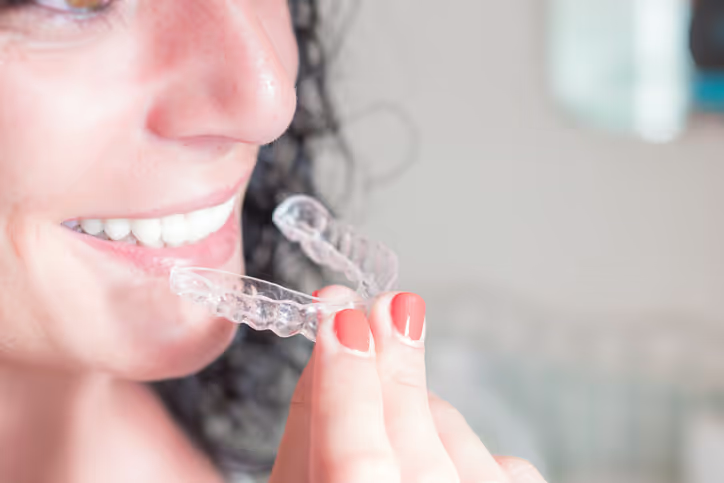
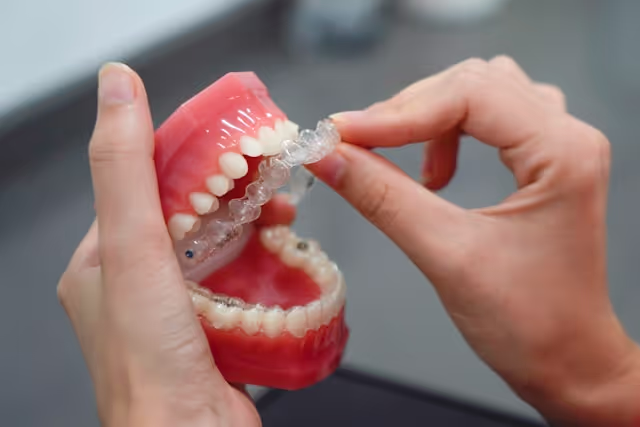
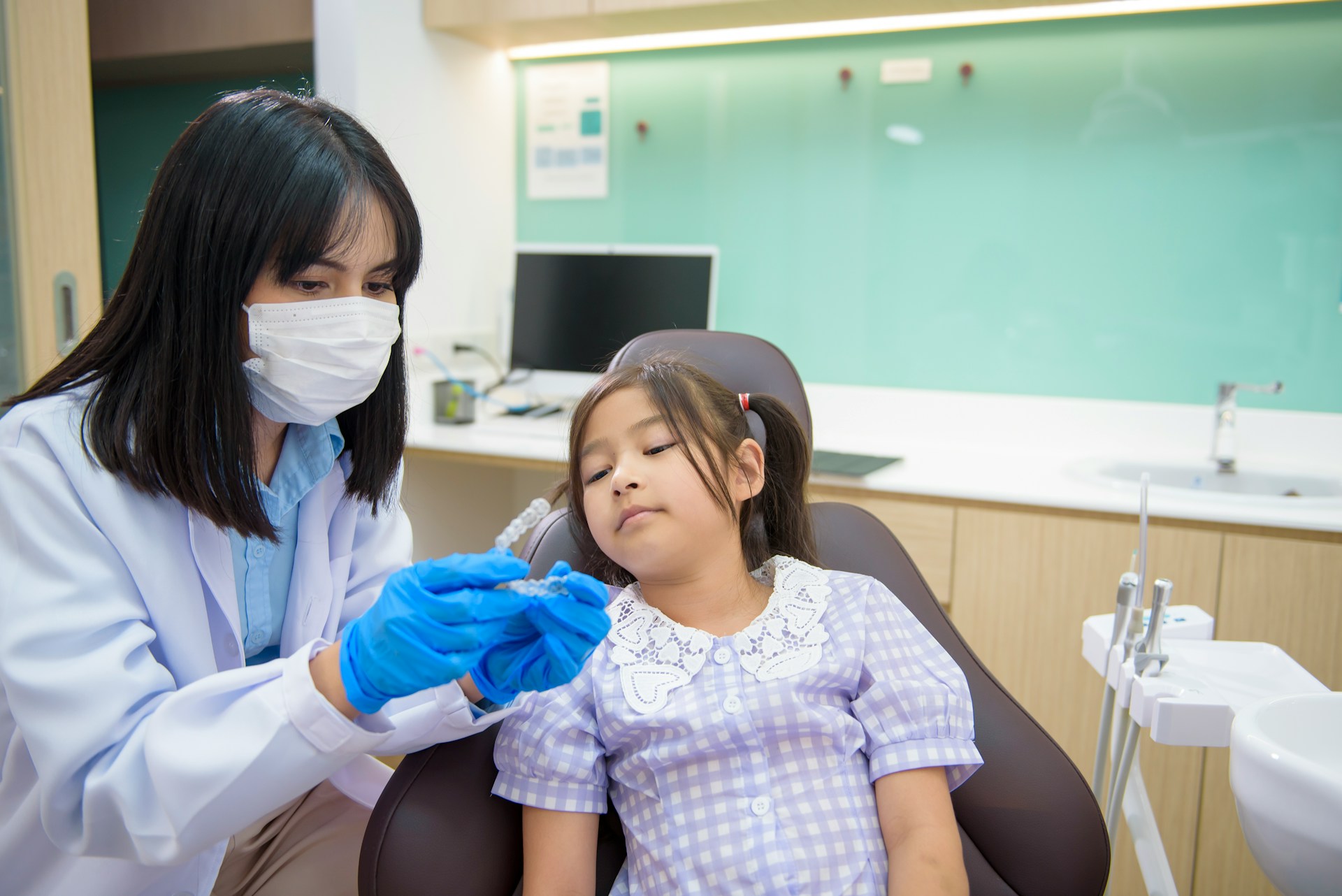
Clear aligners use a series of custom-fitted, removable plastic trays to gradually move teeth into alignment. They're nearly invisible, removable for eating and brushing, and designed without wires or brackets — which many teens and families appreciate. Whether they're the right option depends on your child's specific case, and this is where our process at Coastal Kids differs. Our orthodontists don't recommend treatment based on a quick consult — they complete a full diagnostic evaluation with records, photographs, X-rays, and a growth assessment to understand the complete bite picture. Some cases respond better to traditional braces; others are ideal for clear aligners; many benefit from a combination. Our pediatric dentists are also part of that conversation, so both the dental and orthodontic picture inform the plan. Your child gets the treatment that's right for their bite — not whatever's simplest to offer.
Phase 1 — early orthodontic treatment — targets a brief, irreplaceable window between ages 7 and 10 when the jaw is still actively growing. During this period, guided forces can reshape arches, expand narrow palates, and correct jaw discrepancies in ways that simply cannot be achieved once the bones have matured. For children with crowded teeth, crossbites, or significant jaw mismatch, acting during this window can dramatically reduce the complexity of later treatment — and in some cases eliminate the need for extractions or more involved procedures. Waiting past puberty for these cases typically means longer, more complex treatment. That said, not every child needs Phase 1 — many have sufficient space and healthy development that can comfortably wait. At Coastal Kids, our pediatric dentists and orthodontists assess every child together, tracking jaw and tooth development at each checkup. The Phase 1 recommendation, when it comes, is backed by a longitudinal picture of your child's growth — not a single snapshot.
Phase 2 is the full-bite refinement that follows Phase 1 once all permanent teeth have erupted — typically in early adolescence. Think of Phase 1 as the architecture and Phase 2 as the finish work: Phase 1 shapes the jaw, creates the right amount of space, and positions the bite for permanent teeth to come in as favorably as possible; Phase 2 aligns each tooth to its final position and brings the bite into full function. Because permanent teeth arrive on their own timeline after Phase 1 and may need fine-tuning as they settle in, Phase 2 is almost always part of the complete treatment plan. The good news: children who complete Phase 1 typically have shorter, more straightforward Phase 2 treatment than they would have needed otherwise. At Coastal Kids, both phases are managed by the same orthodontic team in close coordination with your child's pediatric dentist — so every decision in Phase 2 is informed by everything we've observed since day one.
Honest answer: the braces themselves don't hurt going on. The first few days after placement — and after each adjustment appointment — can feel like pressure or mild soreness as your teeth begin to move. Most patients describe it as noticeable, not painful, and it typically settles within 2–3 days. Over-the-counter pain relief handles it well for most kids. At Coastal Kids, we walk patients through exactly what to expect before every adjustment so there are no surprises. If your child is already nervous about discomfort, bring it up at the consultation — we'll plan around it.
Our Other San Diego Locations
Growing smiles, guided at every stage.
Every visit follows the Coastal Compass™ — the care system our team built over decades. One child. One record. One coordinated team. We watch how your child grows, act when the timing is right, and guide teeth into position — for function and health, not just looks.
See why we're different