Why Your Child Needs a Dental Visit by Age One
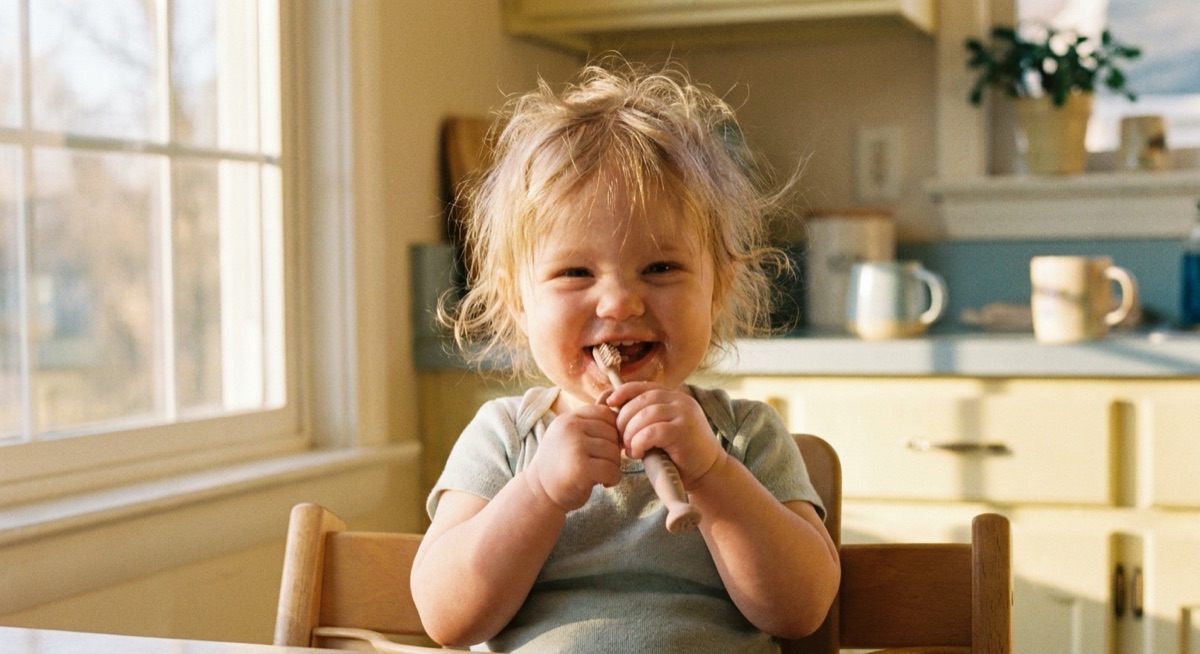
The short answer: Take your child to a San Diego pediatric dentist by age one. The visit is not about a full set of teeth. It is about catching early signs of decay, learning how to protect your child's teeth, and finding a dentist your family knows. The AAP and AAPD both say to go by age one.
When should my child first see a dentist?
By their first birthday, or within about six months after the first tooth comes in. That is what the American Academy of Pediatric Dentistry (AAPD) recommends: a dental home within six months of the first tooth, and no later than 12 months of age. The American Academy of Pediatrics (AAP) agrees. Its 2023 clinical report says every child should have a dental home by age one.
What is the point of a visit that early?
Three things:
• Catch problems early. Decay starts small. At this age, small is easy to help.
• Build a dental home. A dental home is a dentist your family knows and can reach, for check-ups now and for surprises later.
• Prevent and slow decay. We look at your child's risk and show you what to do at home before a cavity ever starts.
What do you look for in a one-year-old's mouth?
We look at the teeth, the gums and the cheeks and lips around them. Three things matter most.
1. White or chalky spots. A dull white spot on a tooth, often along the gum line, can be the first sign of decay. The enamel has lost minerals. You may hear us call this demineralization, or decalcification. It is not a hole yet. The AAPD describes white spot lesions as the earliest stage of decay we can detect, and says that finding them lets us act before a cavity forms. Not every white spot is decay, so we check each one and tell you what it is.
2. Plaque. Plaque is the sticky film of bacteria that builds up on teeth. The bacteria turn sugar into acid, and the acid wears enamel away. Visible plaque on the front teeth is one of the signs the AAPD uses to judge a child's risk of decay.
3. Red or puffy gums. Gums that are red, swollen or bleed easily tell us plaque is sitting along the gum line and brushing is missing it. We show you where.
Why do white spots matter so much?
Teeth are always going through two things at once. Acid pulls minerals out, and saliva and fluoride put them back. The AAP describes decay as a balance between the two. A white spot means the balance is tipping the wrong way. Caught now, we can often turn it around with better cleaning, less sugar and fluoride. Missed, it can break down into a cavity. The AAPD also treats a child with a white spot as higher risk, so we plan to check more closely.
How do you help prevent decay?
We start by looking at your child's risk, which is part of what the AAPD says the dental home is for. Then we make a simple plan with you. It usually covers these points, which follow AAP and AAPD advice:
• Brush twice a day, starting with the first tooth. Use a smear of fluoride toothpaste, about the size of a grain of rice. Move to a pea-sized amount after age 3.
• You do the brushing. The AAP says to help and watch your child brush until about age 10.
• Bottles. No bottle in bed. The AAP suggests weaning from the bottle around age one. The AAPD advises against on-demand or nighttime bottle or breastfeeding after 12 months.
• Water and snacks. Water is best between meals. Sugary drinks and snacks, and sipping all day, give acid more chances to attack.
• Fluoride varnish when it helps. For children at higher risk, the AAPD recommends professional fluoride varnish. The AAP says two to four applications a year are linked to a big drop in decay.
How much does wiping or brushing really help?
A lot. Plaque is what feeds decay, and just removing it makes a big difference. You do not need to be perfect or have a lot of teeth to start. Use a soft baby toothbrush, or a clean wet washcloth or gauze wrapped around your finger, and wipe the teeth and gum line every day. A good time is after the last feeding at night.
Teething? A cold, damp washcloth is a good friend. Chill it in the fridge or freezer, and let your baby chew on it while you watch. The cold soothes sore gums, and the cloth wipes the teeth as they chew. Always stay with your baby, and use a fresh cloth each time.
Is there a trick that makes wiping work even better?
One we like: wet the cloth or brush with a little fluoride rinse, and wipe the plaque off the teeth. You clean the teeth and add fluoride at the same time. Fluoride helps put minerals back into enamel, so the enamel crystals grow tighter and stronger. Teeth that develop that way are harder for acid to attack. Ask us which product to use and how much. Use only a small amount on the cloth, and do not let a child this age swish or swallow it.
Can I ask questions?
Please do. This visit is as much for you as for your child. Parents ask us about teething, pacifiers, thumb sucking, toothpaste, night feeding and how to brush a wiggly baby. There is no question too small, and no lecture. We want you to leave with a plan that fits your family.
Why does it help to meet the dentist so early?
A child who first meets the dentist when nothing hurts learns that the office is a calm, friendly place. You learn who to call. Later, if something comes up, your child already knows the faces and the room. That makes every visit after this one easier. If your child ever needs more specialized care, a dental home also means a team that can refer you the right way.
What happens at the visit?
We go slowly and let your child set the pace. Babies and toddlers do not need to sit in the big chair. We choose the position that works best for your child and for you:
• Knee to knee. You and the dentist sit facing each other with our knees touching. Your child sits on your lap facing you, then leans back so their head rests on the dentist's lap. You can hold their hands and talk to them the whole time.
• Lying on your chest. You lean back, and your child lies on your chest, so they can feel you close and hear your voice.
• Sitting on your lap. Some children do best staying upright in your arms.
We decide together what is best for you and your child. Each position gives us a good look at every tooth and the gums, and lets us gently remove any plaque and stain that should not be there. Read the full walk-through in Your Child's First Dental Visit: What to Expect, Step by Step. Caring for a baby who is younger than one? Start with our newborn oral care guide.
Where can I take my one-year-old in San Diego?
Coastal Kids has five San Diego County offices, each with board-certified pediatric dentists who see babies and toddlers: Carmel Valley, San Diego (Clairemont and Kearny Mesa), Santee and El Cajon, Eastlake in Chula Vista, and South Bay and Otay Mesa. We welcome new patients and accept many insurance plans, including Medi-Cal. See insurance and pricing.
Ready to book?
If your child is about to turn one, or already has a tooth, now is a good time. Find your nearest office, or learn more about pediatric dental exams.
Sources
- Krol DM, Whelan K; American Academy of Pediatrics Section on Oral Health. Maintaining and Improving the Oral Health of Young Children. Pediatrics 2023;151(1):e2022060417.
- American Academy of Pediatric Dentistry. Policy on Early Childhood Caries (ECC): Consequences and Preventive Strategies (revised 2025). The Reference Manual of Pediatric Dentistry.
- American Academy of Pediatric Dentistry. Policy on the Dental Home. The Reference Manual of Pediatric Dentistry.
- American Academy of Pediatric Dentistry. Caries-risk Assessment and Management for Infants, Children, and Adolescents (revised 2022). The Reference Manual of Pediatric Dentistry.
This article is general education, not a diagnosis. Every child is different, and your child's dentist will give advice that fits them.
Explore Our Services
Related Articles